Concern over West Nile virus in Greece: Second place in Europe
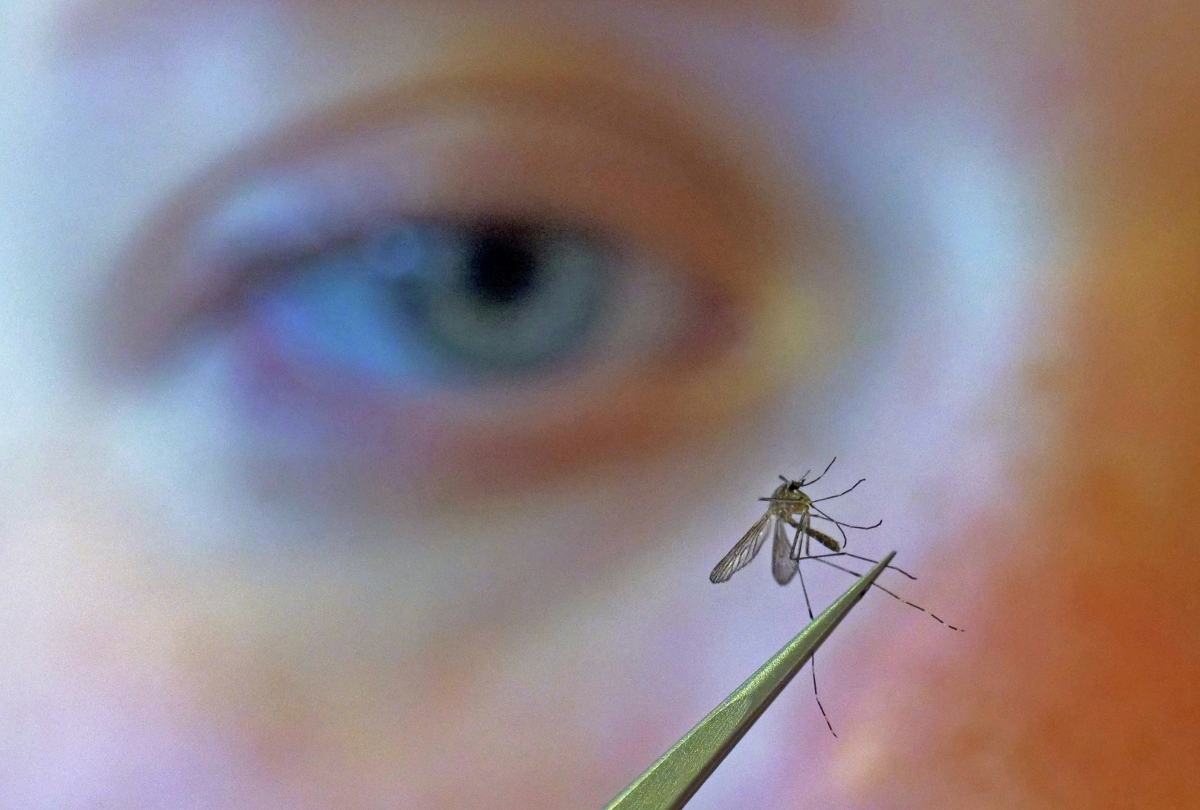
Greece is facing a significant increase in West Nile virus cases this year. According to the latest data, our country ranks second in the European standings, following only Italy, a fact that has mobilized the relevant health authorities.
The virus is transmitted mainly through the bite of infected mosquitoes. Experts point out that climatic conditions and increased humidity in certain areas favor the reproduction of these insects, making the spread of the virus easier during the summer and autumn months.
To address the problem, local authorities have launched intensive spraying programs in areas with stagnant water. At the same time, new technologies are being used, such as special "hi-tech" traps, which help monitor the mosquito population and identify areas where the virus is most active.
Scientists emphasize that prevention remains the most important weapon for citizens. The use of insect repellent, the installation of screens on windows, and avoiding staying outdoors during the hours when mosquitoes are most active—that is, at dusk and dawn—are recommended.
Despite the concern, health services are closely monitoring the situation and assure that all necessary measures are being taken to limit the spread of the virus. Citizens are urged to stay informed through official sources and to follow the instructions of experts to protect their health.