Cosmote 5G Wi-Fi vs. Starlink: How weather affects your internet connection
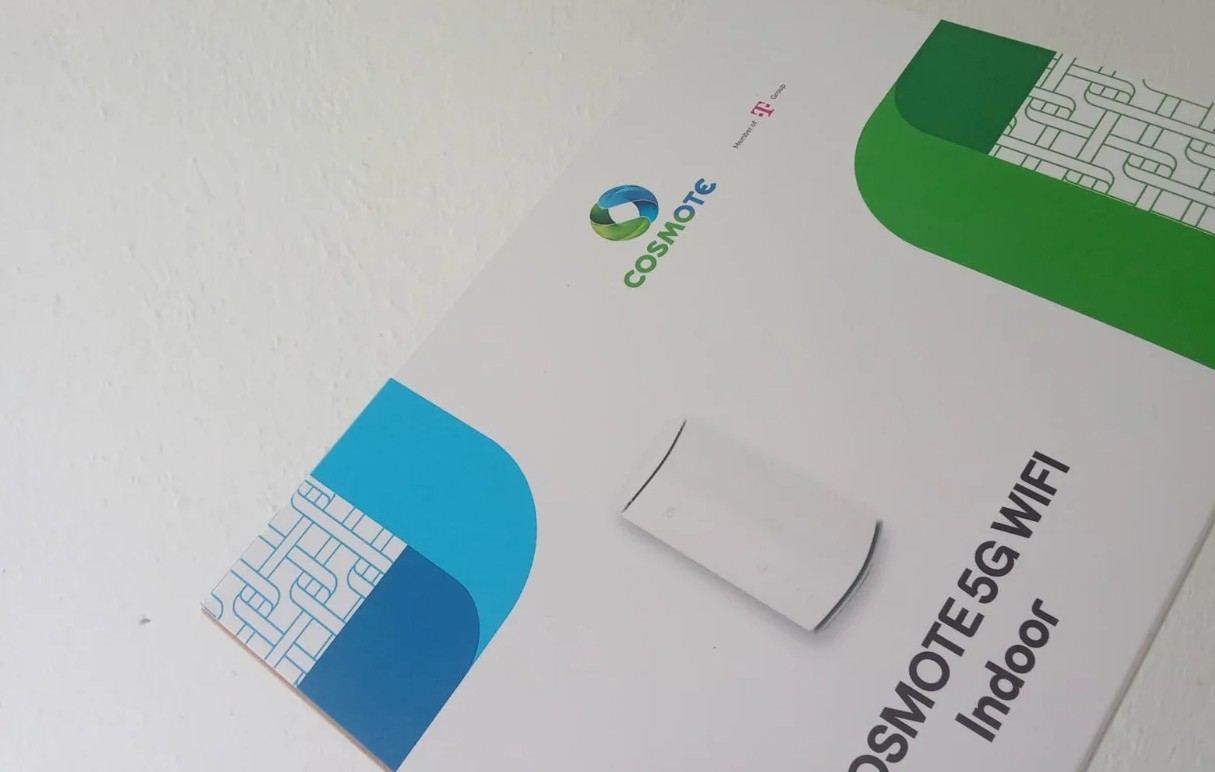
Cosmote recently launched a new campaign for its Cosmote 5G Wi-Fi service, focusing on a specific advantage: the reliability of the connection even during bad weather. The company compares its service to Starlink's satellite internet, claiming that its own network remains stable regardless of weather conditions.
The core argument of Cosmote concerns the difference in the technology used. While Starlink relies on satellites communicating with ground-based antennas, 5G Wi-Fi uses the terrestrial mobile network. According to the company, heavy rainfall or dense cloud cover can sometimes affect satellite signals, whereas the 5G network does not face the same issue.
On the other hand, Starlink remains an important solution for residents of remote areas in Greece, where mobile signals may be weak. Users located in mountain villages or areas without fiber optics often choose the satellite solution to access high-speed internet, despite the cost of the equipment.
The choice between the two services ultimately depends on each user's needs and their location. Consumers are advised to examine the 5G network coverage in their area, as well as their requirements for speed and stability, before proceeding with a subscription.
In conclusion, this rivalry highlights the importance of digital connectivity in Greece. As technology evolves, citizens now have more options to enjoy fast internet, even in the most challenging weather conditions.