The new European strategy for agriculture and its future in Greece
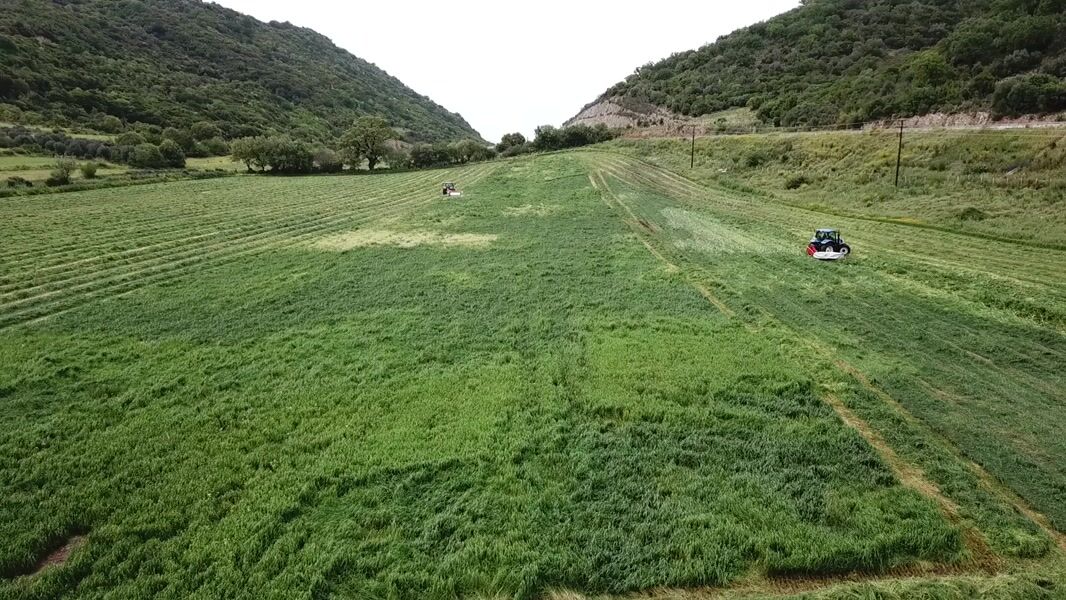
The European Commission recently published an important report concerning the future of agriculture in the member states of the European Union. This report focuses on the lessons learned from the 2023-2027 period, offering a practical guide for the implementation of the new Common Agricultural Policy (CAP).
For Greece, the agricultural sector is one of the key pillars of the economy. The new European Union strategy aims to strengthen sustainability and protect the environment, adapting cultivation practices to modern climate challenges. Greek producers are called upon to adopt 'greener' methods, which will ensure both the quality of products and the protection of natural resources.
The European Commission's guide provides specific directions for the modernization of farms. Through the utilization of European funds, farmers will have the opportunity to invest in new technologies and innovative solutions that reduce their environmental footprint, while maintaining their competitiveness in the European market.
The transition to this new model requires careful planning and continuous cooperation between national authorities and producers. The experience of previous years shows that the success of the new CAP depends on the ability of member states to adapt to changes, while ensuring a stable income for the people who work the land.
In conclusion, the new European policy lays the foundations for a more resilient agriculture in Greece. With the implementation of the proposed measures, the country's primary sector is expected to be strengthened, responding to the demands of the era for greener and more sustainable development.