El Niño: Six days above 2°C and scientists' concern
Published
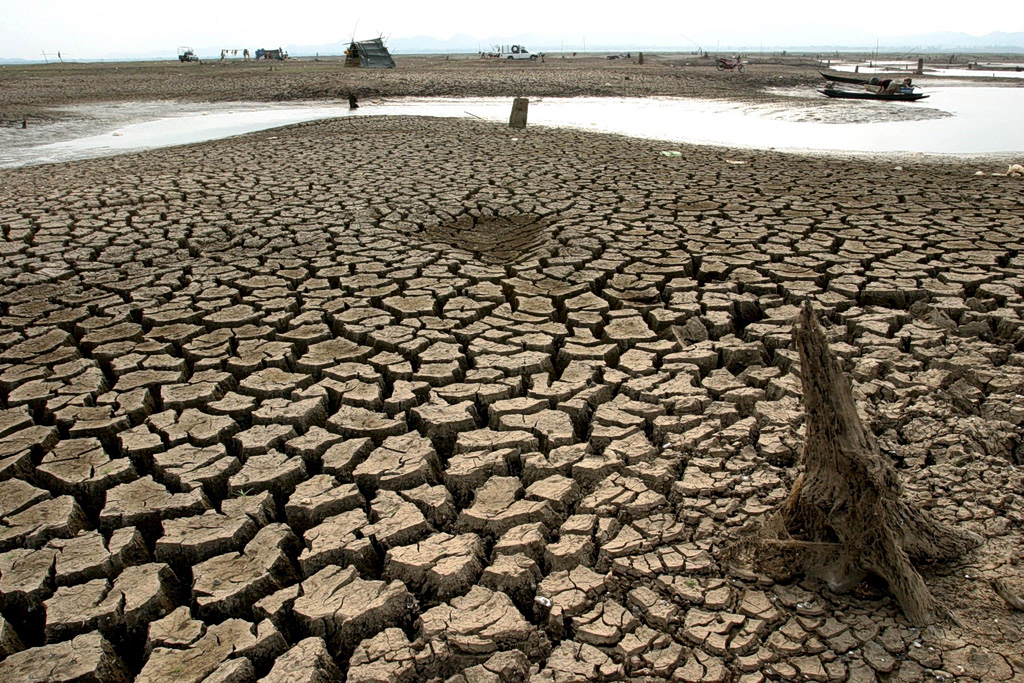
According to reports, the average temperature of the planet has been above 2 degrees Celsius for six days. The event is linked to the El Niño phenomenon, which is causing concern in the scientific community and in governments of various countries.
El Niño is a natural climate phenomenon. It occurs when the waters of the Pacific Ocean near the coasts of South America become warmer. This warming changes weather systems around the world and can bring droughts to some regions and heavy rainfall to others. Scientists are constantly monitoring the data to predict its effects.
The historical parallel is particularly serious. From 1876 to 1878, more than 50 million people lost their lives in one of the biggest famines of the modern era. Experts link that period to a strong El Niño, which caused severe droughts in India, China and Brazil. The comparison with today shows why the scientific community is worried, since modern societies have different infrastructure and means of response.
For Greece, the effect of the phenomenon is indirect and depends on the weather conditions of each period. However, the rising temperature of the planet is a common issue for all countries. The authorities and research bodies continue to monitor how the situation develops.
The next measurements will show whether the temperature will stay at these levels. Until then, scientists urge caution and for people to follow official announcements.
Sources: ΤΟ ΒΗΜΑ
More Greece news
- Which spices help digestion, according to nutritionists
- Alarm in the US over measles: more than 6,000 confirmed cases
- Olympiacos rejects PAOK offer for Dorsey
- Russia reportedly buying inflatable military vehicles from China
- Andrea Orcel: The head of UniCredit and his ambition for Commerzbank
- New Aegean surveillance network from the Navy
- Nikos Galis talks about his book and the ingratitude he says he felt
- For the first time in its history, the Thanksgiving Day parade in New York is postponed