The Fall of Buda in 1541: The End of a Historical Era in Hungary
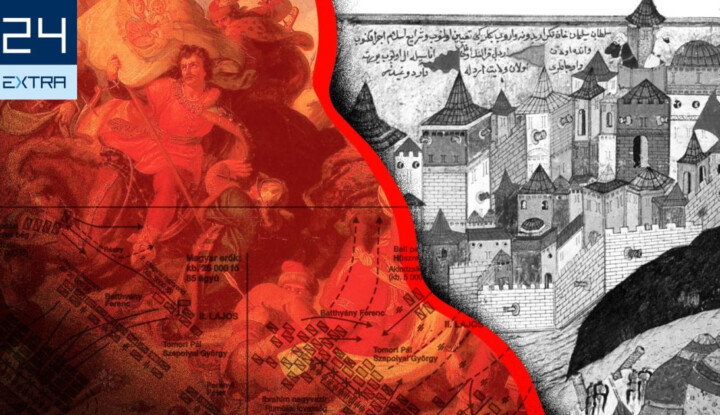
More than 480 years ago, in 1541, one of the most defining events in Hungarian history took place: the Castle of Buda fell into Turkish hands. This turning point not only sealed the fate of the country for a long time but also fundamentally redrew the political and cultural map of all of Central Europe.
According to a report by 24.hu, the occupation of Buda marked the end of a major European center. The city, which had previously been an important bastion of Renaissance culture and the Central European balance of power, became the center of Turkish occupation. With this move, the country was divided into three parts, which determined the development of Hungarian territories for centuries.
Historians believe that this event marked the beginning of a new era in the region. Due to the weakening of central power and constant wars, Hungary lost its independence for a long time and became a buffer zone between the Habsburg Empire and the Ottoman Empire.
The fall of Buda in 1541 remains an important topic in Hungarian history education today, as it helps to understand the country's later centuries. The loss of the city was not just a military defeat, but the destruction of a cultural and political center whose effects were felt by Hungarian society for a long time to come.