It is not AI that will take our jobs: demand for skilled workers is skyrocketing
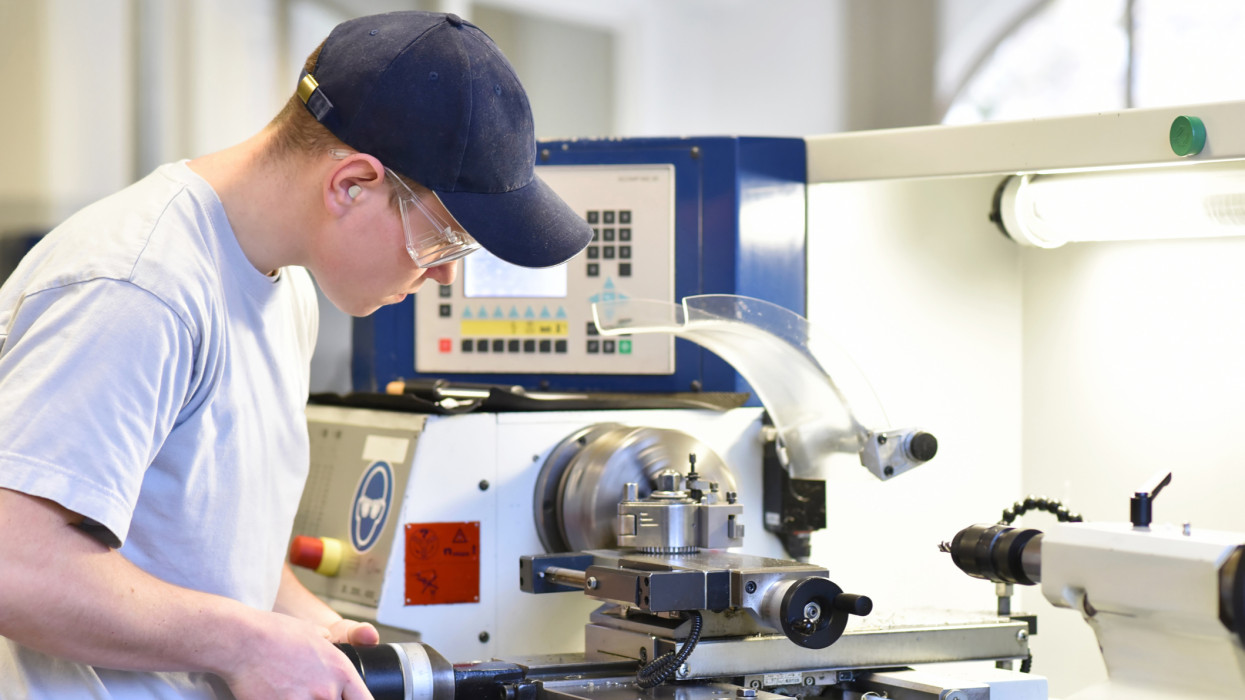
Many fear that the spread of artificial intelligence (AI) will lead to the loss of many jobs in the future. However, the latest economic analyses highlight that technological progress does not reduce the value of human labor in every field; in fact, it increases it. This is especially true for manual trades, where machines cannot yet replace human expertise.
In Hungary, the shortage of skilled workers is becoming increasingly noticeable, which has led to a significant rise in wages. While AI is automating many tasks in the digital world, the work of electricians, plumbers, and construction professionals is in greater demand than ever before. These professions currently pay exceptionally well because demand far exceeds the supply of trained labor.
Bill Gates, the founder of Microsoft, recently expressed his opinion on the regulation of artificial intelligence. He believes that self-regulation of AI development is not a sufficient solution, and a simple "kill switch" would not provide real security for the future. According to the tech giant, the focus should instead be on the responsible use of technology and managing the transformation of the labor market.
Overall, it can be said that the technological revolution will not necessarily bring about an era of unemployment. Experts suggest that the winners of the future will be those who are able to combine modern technological tools with traditional professional knowledge. For skilled manual workers, this period offers new opportunities and higher income in the Hungarian labor market.