A new era in astronomy: NASA's most advanced space telescope to launch soon
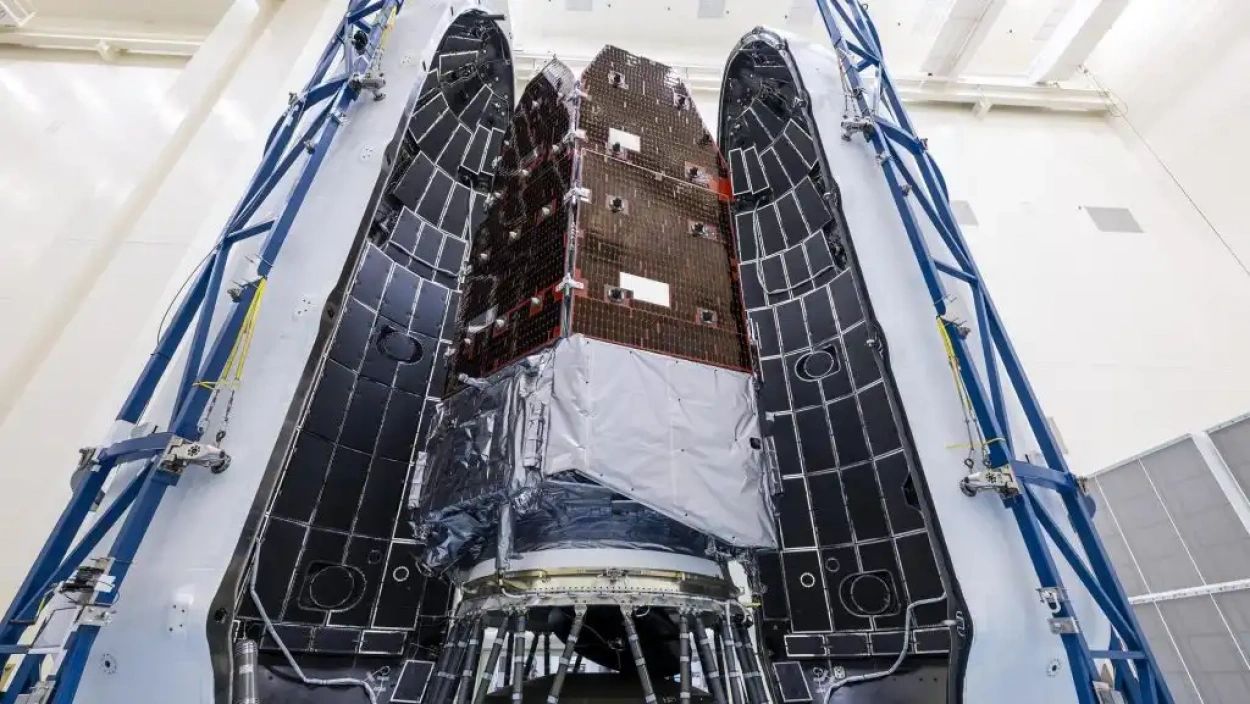
NASA is soon to launch its newest space telescope, the Nancy Grace Roman Space Telescope. This instrument is one of the most significant developments in modern astronomy, opening up entirely new possibilities in the study of the universe. Experts believe the telescope will examine outer space with unprecedented detail.
The telescope is planned to observe the sky for five years. During this time, researchers estimate that they will be able to map approximately 100 billion stars and billions of galaxies. With the help of the instrument, scientists will gain deeper insights into the structure and evolution of the universe.
The Roman Space Telescope will not only examine distant galaxies but will also conduct research within our own galaxy. As part of the program, it is expected to identify 80,000 supernovae and thousands of exoplanets—that is, planets outside the solar system. This data could help us understand how planetary systems form.
This mission will have a significant impact on the international scientific community, including Hungarian researchers, who often participate in similar international projects. The analysis of the new data could provide work for astronomers worldwide for many years to come.
The successful launch of the project is a milestone in the history of space exploration. Scientists are confident that the information collected by the telescope will provide answers to the most important questions regarding the universe.