World-first experiment in Budapest: quantum-encrypted messages across the Danube
Published
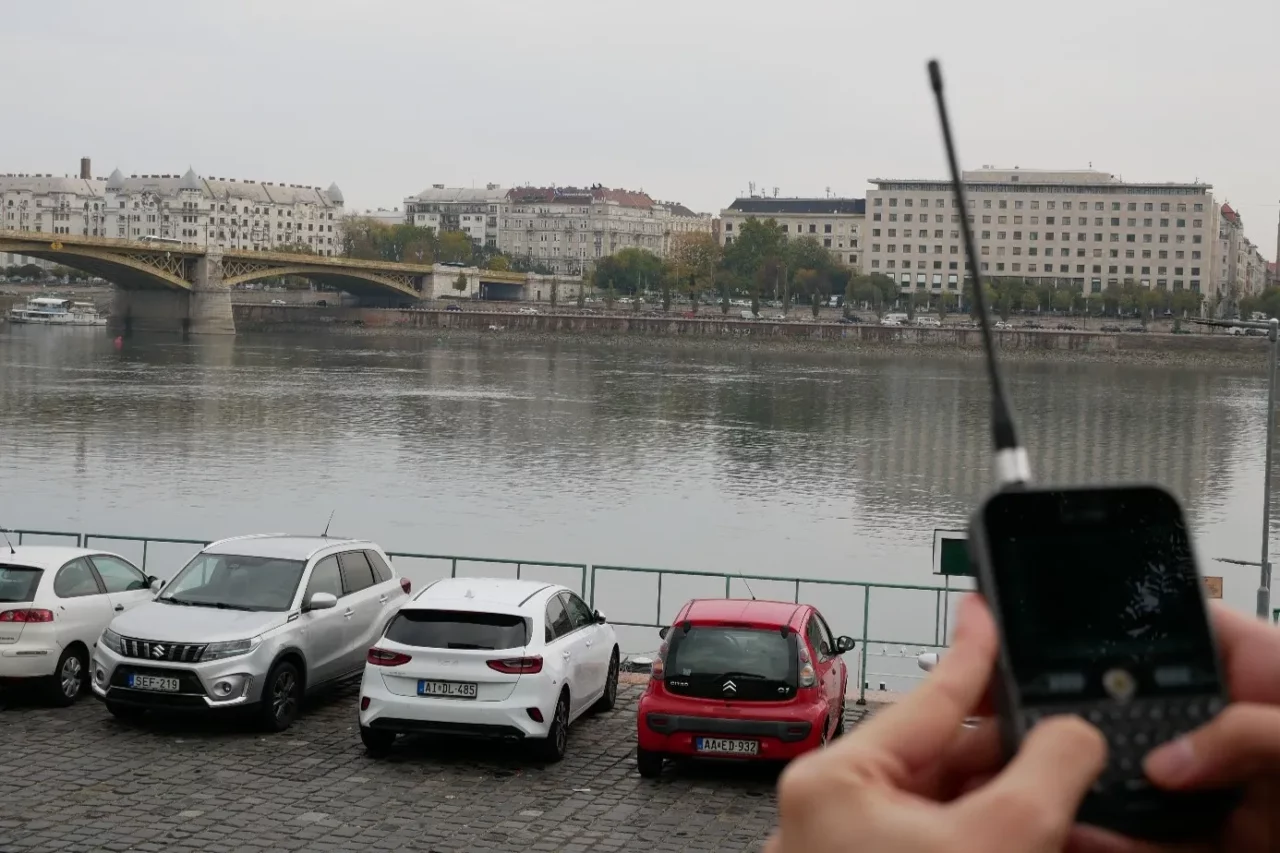
Hungarian researchers carried out a world-first experiment in Budapest. During the experiment, radio messages were sent across the Danube, between the two sides of the Margaret Bridge. The messages were encrypted with a quantum key, meaning the security of the transmission is protected by the laws of quantum physics.
The essence of how a quantum key works is that the physical properties of the key change during transmission if someone attempts to eavesdrop. In such a case, both the sending and the receiving party can notice the intrusion. In this way, the parties can know whether the secret key is secure, and whether the message can be read by a third person.
Experiments like this are important because quantum encryption may help protect sensitive information in the future. This could apply, for example, to the communications of banks or government agencies. At the same time, the technology is still in the development stage, and further work is needed before it can be widely used.
The brief report available does not contain detailed information about the exact course of the experiment, the distance, or the participating institutions. Once further details are published, the research results will be possible to assess more precisely.
Sources: Helló Magyar
More Hungary news
- Does Hungary's Fintech Sector Get Help or Hindrance in Its International Growth?
- Dávid Vitézy announces Keszthely road plan, Fidesz criticises the scaled-back version
- Áron Orbán detained in human smuggling case; Viktor calls the move political revenge
- Viktor Orbán's Brother Taken into Custody on Suspicion of Human Trafficking
- Shoppers Buy More When They Have a Cold: Pharmacy Sales Doubled in the Autumn
- Four people detained in human smuggling case involving Viktor Orbán's brother
- Fiscal adjustment: what can Hungary learn from the experience of other countries?
- Last chance for the TECHTOGETHER+ conference: tickets are still available