An Almost Incomparable ‘Princely’ Tomb of Ancient Celtic Noble Found in Germany
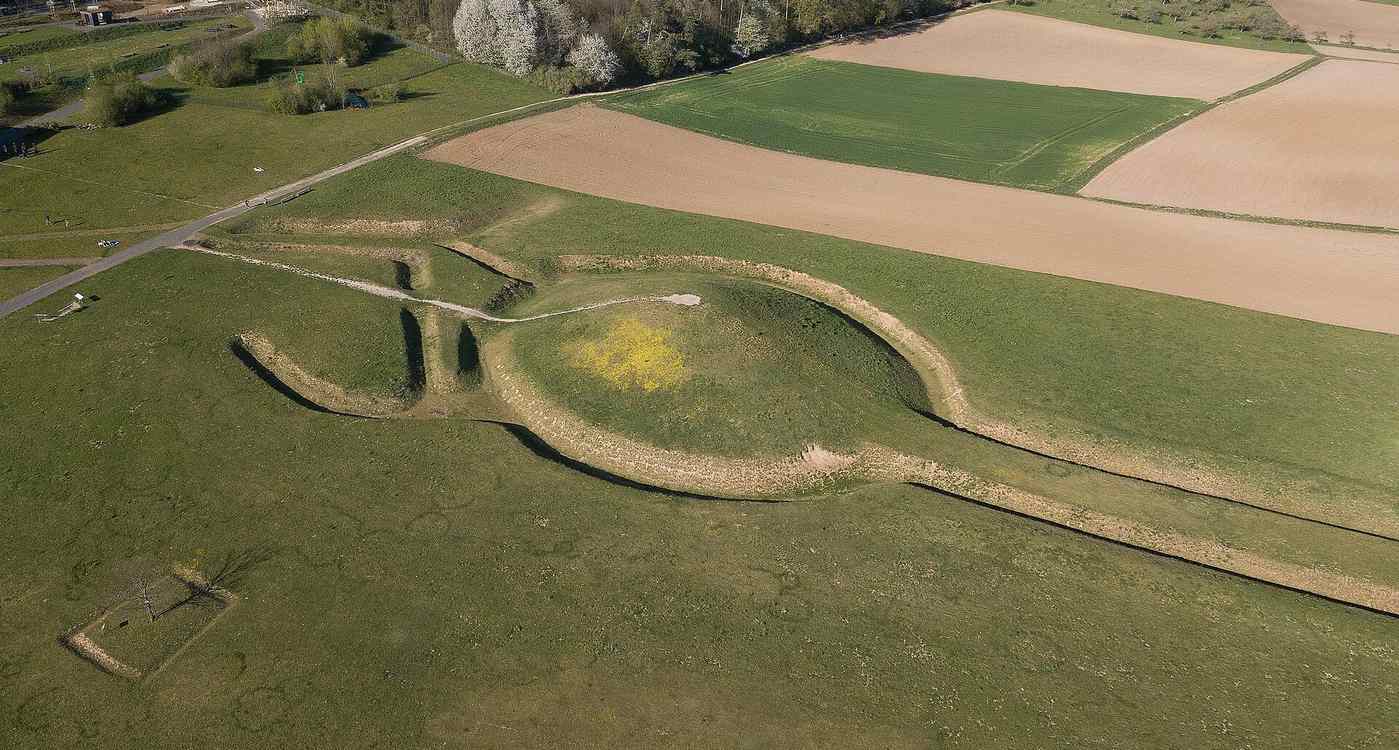
A rare and extraordinary “princely grave” linked to Celtic nobility has been discovered in Bad Camberg in the German state of Hesse during construction work for a solar installation near the A3 motorway.
Archaeologists describe the find as one of only a few comparable discoveries in Germany. The burial site contained gold jewelry, weapons, bronze objects, glass beads, and iron fittings believed to be parts of a wagon or chariot. Experts say the richness of the items makes it an “absolute top” archaeological discovery.
The excavation was led in part by district archaeologist Kai Mückenberger, who initially expected only a routine find after ordering a geomagnetic survey. However, the survey revealed a rectangular structure within a circular formation, hinting at something far more significant than expected.
The breakthrough came when construction equipment uncovered an iron spearhead, prompting a full archaeological excavation. Researchers carefully removed sections of soil in large blocks to preserve delicate artifacts. Inside, they also discovered a rare bronze jug believed to have been made by the ancient Etruscans of central Italy, suggesting far-reaching trade or cultural connections.
Among the most striking finds were three gold rings, including one weighing around five ounces, along with arm and finger ornaments. The wagon fittings—such as axle components and wheel bands—indicate the high status of the buried individual, likely a Celtic elite figure from the early 5th century BCE.
Experts believe the grave may be associated with the Hunsrück-Eifel Celtic cultural region and dates back to the Hallstatt or early La Tène period. Only two similar “wagon burials” have ever been found in Germany, making this discovery one of exceptional rarity and importance in European archaeology.