Cyclone Arnab Delays Rabi Sowing and Puts Mustard Crops at Risk
Published
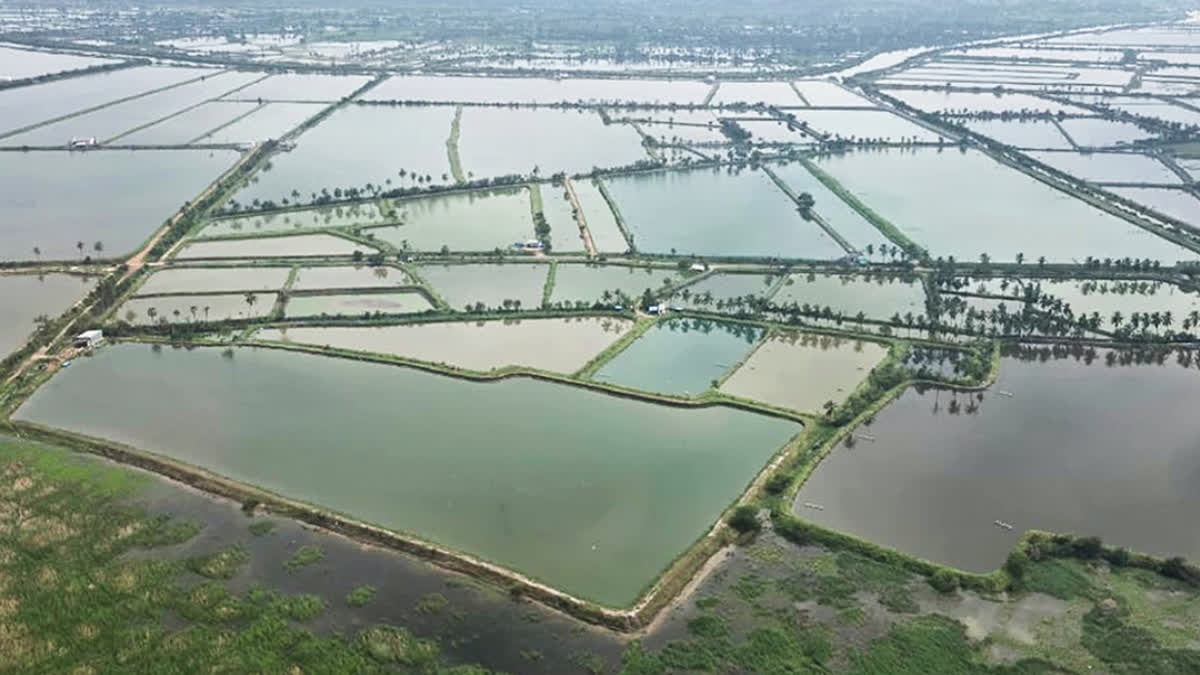
Cyclone Arnab has caused problems for Indian farmers during the Rabi sowing season. The storm brought extra moisture and strong winds, which slowed down planting in several regions. Farmers in these areas are now sowing their crops later than planned.
The cyclone also threatens mustard, one of the most important Rabi crops in India. Mustard is grown for its seeds, which are used to make cooking oil. Some fields that were already planted are at risk because of the wet and windy conditions. If the damage is serious, it could affect both farm incomes and the supply of edible oil.
The situation has also raised wider questions about India's food security. Cyclones and the El Nino weather pattern can both change rainfall and temperatures, making it harder for farmers to plan their work. Experts and farm organisations are asking whether farmers have enough support, information, and tools to deal with these weather challenges.
Farmers and officials will need to watch the weather closely in the coming weeks. Late sowing can lower crop yields, so the timing of the remaining planting will be important. The impact of Cyclone Arnab on the final harvest is still not clear, but it shows how closely India's food supply depends on weather conditions.
Sources: ETV Bharat
More India news
- Cheaper Batteries Make Solar and Wind the Lowest-Cost Power Source in India, Says BNEF
- Why Money Flowing Out of India Is Drawing Attention
- Qualcomm Layoffs: What Severance Will Former Employees in India Receive?
- Suriya's Cop Comedy 'Scene' Earns Rs 111 Crore in Five Days at the Box Office
- Ajay Devgn's Drishyam 3: The Conclusion Passes Rs 588 Crore Worldwide After 40 Days
- Ramayana: Part 1 Continues Strong Box Office Run with Rs 440 Crore Collection
- Government Uses Online Marketplace to Buy Farm and Allied Sector Goods
- World Bank Estimates Extreme Poverty in India at 2.6 Per Cent, Sparking Debate