Indian Doctors Perform World's First Dual Console Robotic Beating Heart Surgery
Published
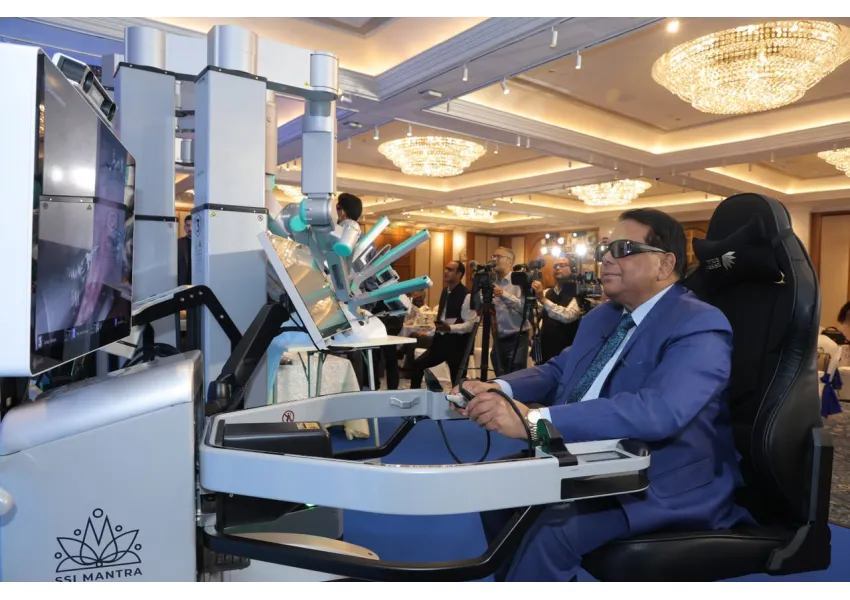
Doctors in India have performed what is being described as the world's first dual console robotic beating heart TECAB surgery. TECAB, which stands for totally endoscopic coronary artery bypass, is an advanced type of heart bypass operation. It is carried out through small incisions, so the surgeon does not need to open the chest.
In a conventional bypass operation, the patient's heart is usually stopped and a heart-lung machine takes over the work of pumping blood. In a beating heart procedure, the surgery is done while the heart continues to beat. This approach can reduce some of the risks linked to stopping the heart, and it may help patients recover more quickly. The use of a dual console means that two surgeons can operate together on the robotic system, with each one controlling part of the procedure. This kind of teamwork can be useful in complex operations.
Health experts say that minimally invasive heart surgery is becoming more common in many hospitals around the world. Robotic systems allow surgeons to work with high precision through very small cuts, which can leave smaller scars and reduce the time patients spend in hospital. Details about the number of patients involved and the recovery progress were not fully available in the reports. Further information is expected from the hospital and the medical team involved in the procedure.
Sources: BW Healthcare World
More India news
- Piyush Goyal Urges Indian Businesses to Use New Trade Opportunities
- About 52 Lakh Weddings Expected Across India in 25 Days, Business Worth Over Rs 7 Lakh Crore
- Sarvam's Token Factory Lets Indian Businesses Use DeepSeek, Raising Questions About Control
- Four People from Northeast India Named in TIME100 Next India List
- Jumanji-Themed Diwali Decorations Arrive at 50 Multiplexes Across India
- Telugu Comedy 'ENE Repeat' Opens with Rs 11.30 Crore Worldwide
- Indian Food Company LT Foods Buys Maya Kaimal Brand
- Free School Meals in India: Looking Beyond Nutrition to Dignity and Opportunity