Study of Ancient Peruvians Examines How Societies Respond to Drought, Floods and Famine
Published
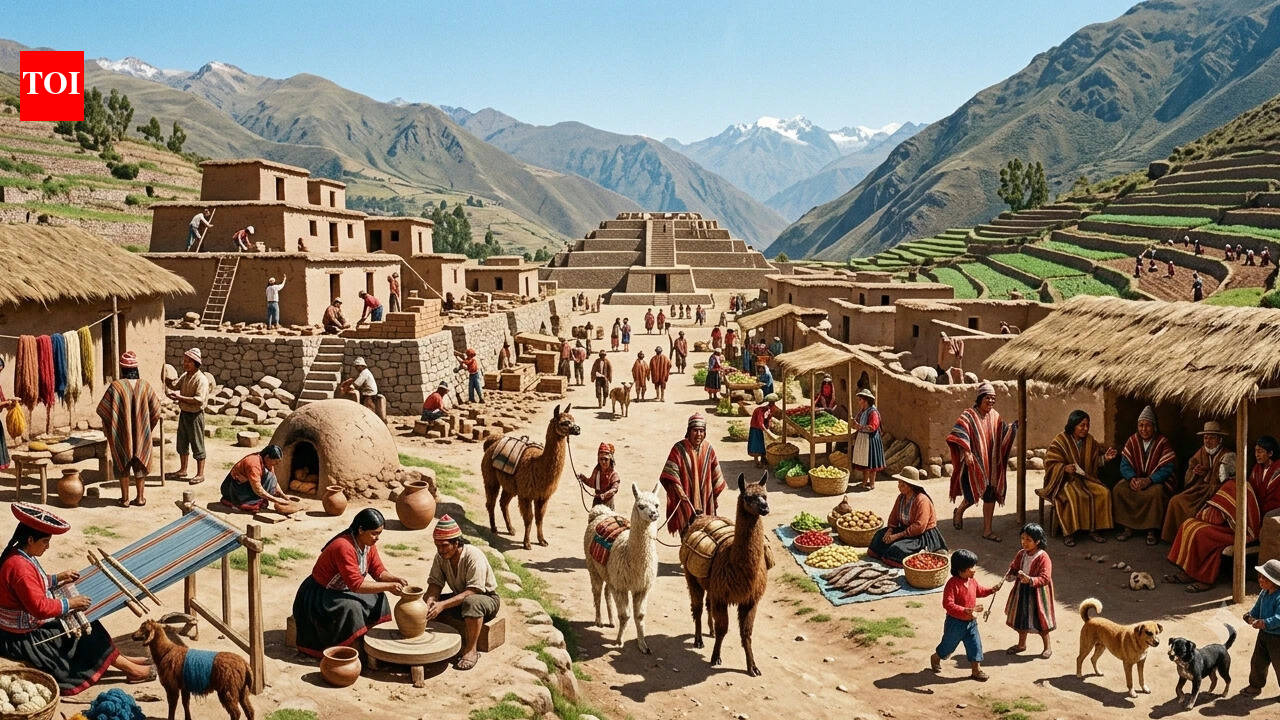
Droughts, floods and famines are often expected to cause chaos. When food becomes scarce, people are thought to struggle to survive, and communities may break down. However, this widely held idea has not always been tested with long-term evidence from the past.
A new study by scientists looked at this question by examining more than 1,500 people who lived in ancient Peru over a period of about 3,000 years. The researchers wanted to understand how these societies actually responded when environmental disasters struck. By studying a long timeline, they hoped to see patterns that a shorter period might not show.
The study focuses on the way communities reacted to hard times, rather than only on the disasters themselves. Researchers were interested in whether societies always fell into disorder or whether they found ways to adapt. This approach helps scientists compare past and present responses to extreme weather.
The research shows why history can be useful for understanding modern challenges. Climate-related events such as droughts and floods continue to affect many regions around the world, including parts of India. Studies like this one may help people better understand how communities can respond to such crises today.
Sources: The Times of India
More India news
- Cheaper Batteries Make Solar and Wind the Lowest-Cost Power Source in India, Says BNEF
- Why Money Flowing Out of India Is Drawing Attention
- Qualcomm Layoffs: What Severance Will Former Employees in India Receive?
- Suriya's Cop Comedy 'Scene' Earns Rs 111 Crore in Five Days at the Box Office
- Ajay Devgn's Drishyam 3: The Conclusion Passes Rs 588 Crore Worldwide After 40 Days
- Ramayana: Part 1 Continues Strong Box Office Run with Rs 440 Crore Collection
- Government Uses Online Marketplace to Buy Farm and Allied Sector Goods
- World Bank Estimates Extreme Poverty in India at 2.6 Per Cent, Sparking Debate