Nature Returns: Wolves Thrive in Chernobyl’s Exclusion Zone
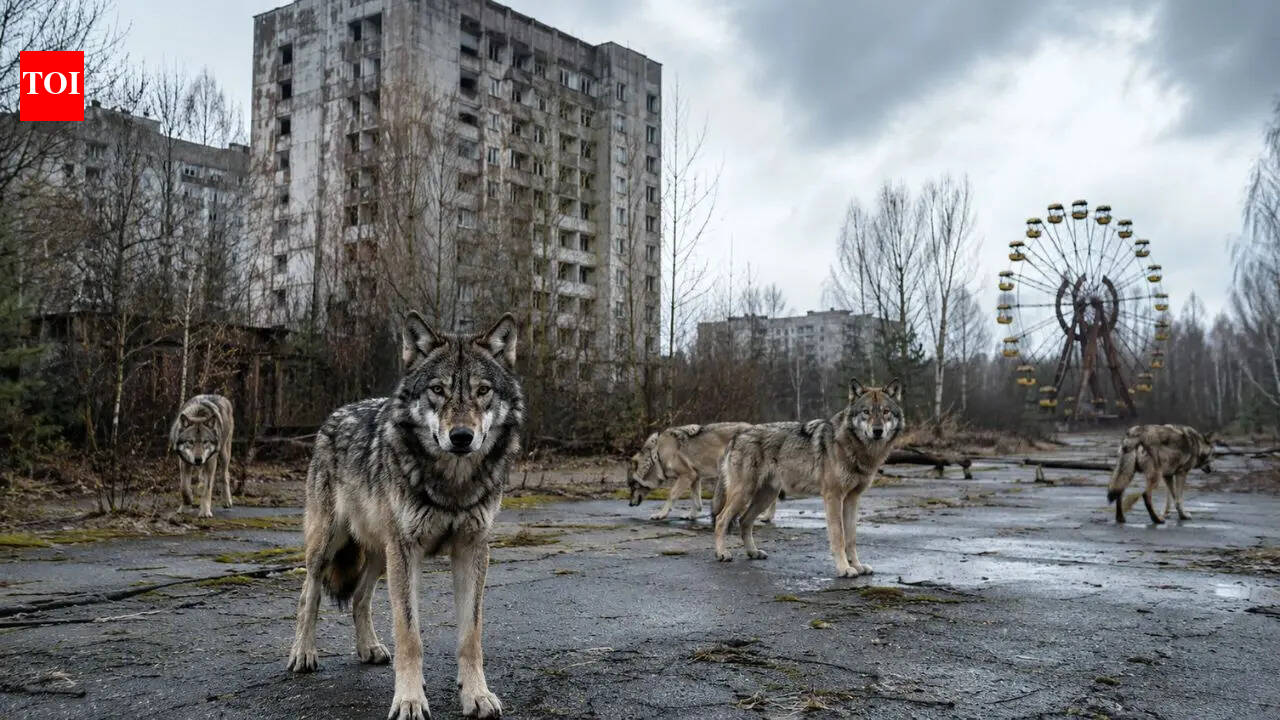
In 1986, the Chernobyl nuclear power plant in Ukraine suffered a catastrophic accident. Following the disaster, the surrounding area was quickly evacuated, and thousands of people left their homes forever. Today, this 30-kilometer "exclusion zone" is a quiet place, but it is far from empty. Instead of people, nature has taken over the landscape in a surprising and dramatic way.
Among the many animals returning to the area, grey wolves have become the most successful. Without humans to hunt them or cars to disturb their environment, these predators have expanded across the abandoned landscape. Scientists report that wolves are now dominating the region, with populations that are much higher than in many other parts of Europe.
The recovery of wildlife in Chernobyl is unexpected because of the radiation that remains in the soil and plants. While the disaster was a tragedy for human civilization, the absence of people has created a unique sanctuary for animals. Besides wolves, other creatures like deer, wild boars, and rare birds are also thriving in the forests and fields that were once busy towns.
Researchers are now studying these animals to understand how they survive and adapt to a radioactive environment. The exclusion zone has become a giant natural laboratory for scientists. It provides a rare opportunity to see how ecosystems change when human activity stops completely. The landscape has shifted from a site of nuclear disaster to a place of significant scientific discovery.
The story of Chernobyl’s wolves is a powerful example of nature's resilience. Although the area remains unsafe for humans to live in, it has become a wild and thriving habitat for many species. The quiet forests of the exclusion zone serve as a reminder that life can find a way to return, even in the most difficult and unexpected conditions.