IIT Dhanbad and Partners Join Hands to Build India's Rare Earth Magnet Ecosystem
Published
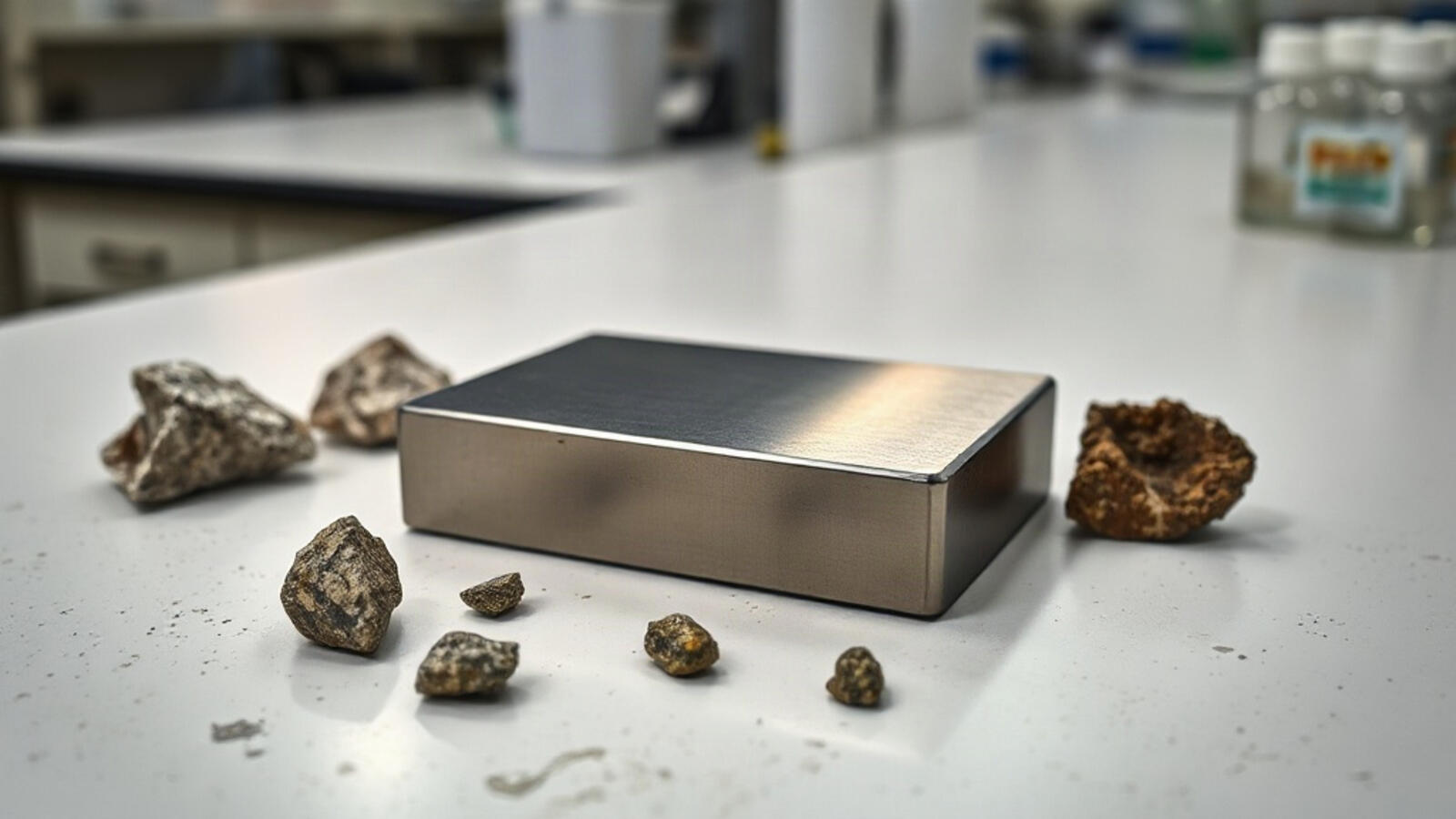
A new alliance has been formed to strengthen India's position in critical minerals. TEXMiN, IIT (ISM) Dhanbad, and Magnora RE Tech have agreed to work together on this effort. The partnership focuses on rare earth magnets, which are important materials used in many modern products.
Rare earth magnets are used in electric vehicles, wind turbines, electronics, and many other industries. Because of their importance, countries are working to reduce their dependence on imports. The three partners aim to build a local ecosystem that can support the development of these magnets within India. This means bringing together research, technology, and industry in one connected system.
The alliance is expected to support India's wider goal of becoming more self-reliant in critical minerals. By combining academic research from IIT Dhanbad with the technical and business experience of its partners, the initiative hopes to help move new ideas from the laboratory to real production. Details about the timeline and specific projects have not yet been announced in the available reports.
The partnership shows growing interest in the rare earth sector in India. As demand for clean energy and advanced electronics continues to rise, efforts like this may play a larger role in the country's industrial future.
Sources: electronics.economictimes.indiatimes.com
More India news
- Cheaper Batteries Make Solar and Wind the Lowest-Cost Power Source in India, Says BNEF
- Why Money Flowing Out of India Is Drawing Attention
- Qualcomm Layoffs: What Severance Will Former Employees in India Receive?
- Suriya's Cop Comedy 'Scene' Earns Rs 111 Crore in Five Days at the Box Office
- Ajay Devgn's Drishyam 3: The Conclusion Passes Rs 588 Crore Worldwide After 40 Days
- Ramayana: Part 1 Continues Strong Box Office Run with Rs 440 Crore Collection
- Government Uses Online Marketplace to Buy Farm and Allied Sector Goods
- World Bank Estimates Extreme Poverty in India at 2.6 Per Cent, Sparking Debate