India Asks: Can Ethanol Blending Continue Without Harming Food Security?
Published
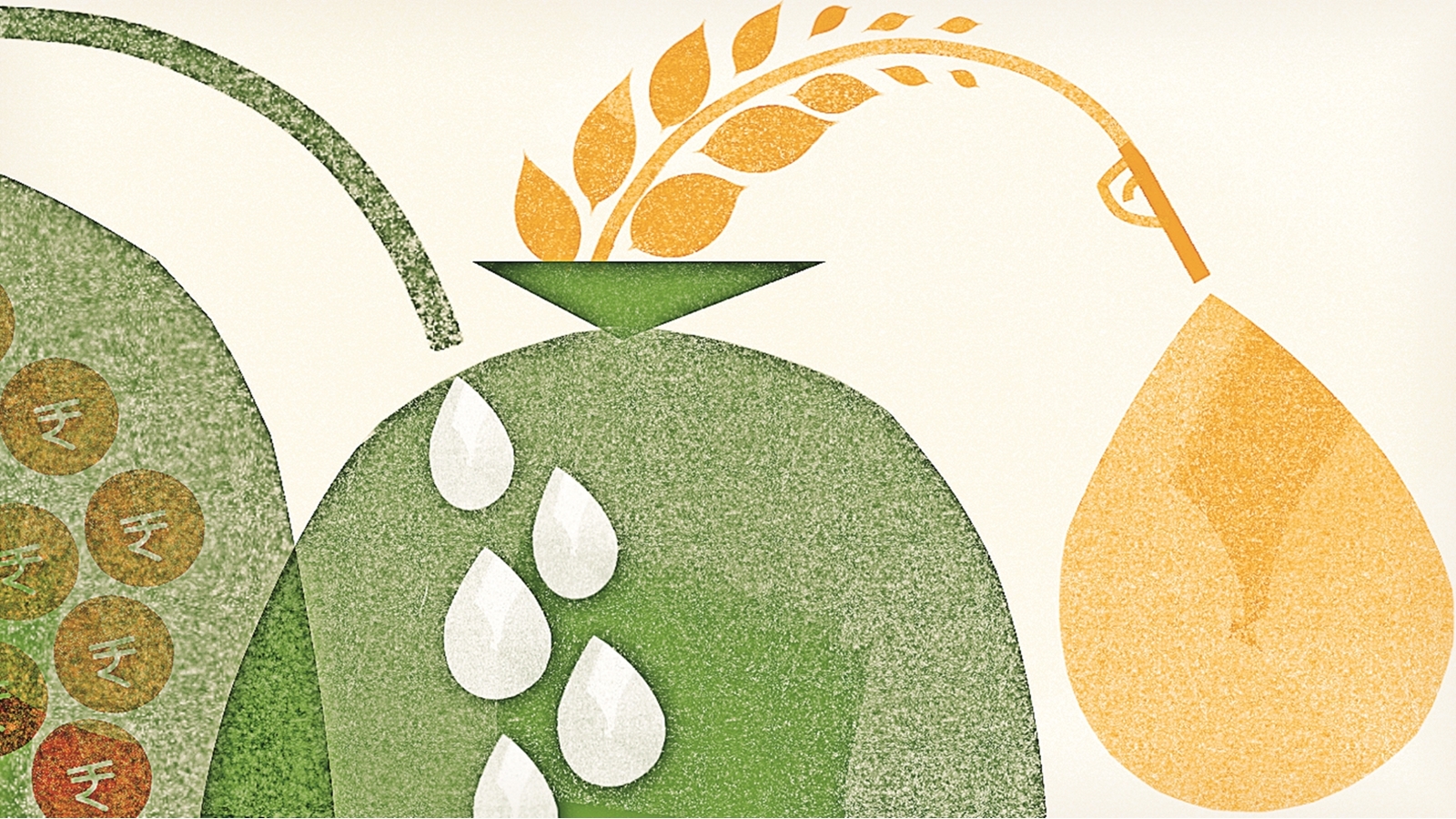
India has made fast progress in mixing ethanol into petrol, and the government sees this as an important step for the country's energy future. The policy aims to reduce dependence on imported crude oil and to use more fuel produced at home. Ethanol is a fuel made from crops, so the programme is closely linked to farming and the supply of food.
The main question now is how to keep the blending programme going without putting pressure on food supplies. Ethanol can be produced from sugarcane, maize, and other crops, and each of these also has a role in feeding people and supporting farmers. If more crops are used for fuel, there could be less available for food, which may affect prices for ordinary families. Experts say that the government must balance these two needs carefully.
India has shown that it can expand ethanol blending quickly, and this is seen as a clear achievement. However, the country must now plan for the long term. Officials and analysts are discussing ways to use different sources of raw material, improve production methods, and make sure that farmers and consumers both benefit. The coming years will show whether India can continue this progress while keeping food security strong for its growing population.
Sources: The Indian Express
More India news
- AI Contract Disputes in India: What Businesses Need to Know in 2026
- The New Indian Express Publishes Piece on "A New Chapter in Business Journalism"
- Can Tata Sons Become a Listed Company?
- Diljit Dosanjh Compares Song Restrictions to Coldplay Concert, Professor Responds
- Ranbir Kapoor's Ramayana Earns More Than Dhurandhar 2 in India on Its Third Sunday
- AR Rahman Turns Down 10-12 Films to Focus on Ramayana Music
- New Global Framework Urges India to Regulate Ultra-Processed Foods More Strictly
- India's Food Regulator Finds Bisleri Water Sample Unsafe