Sharad Pawar Keeps Maharashtra Guessing Over Possible NCP Move Toward NDA
Published
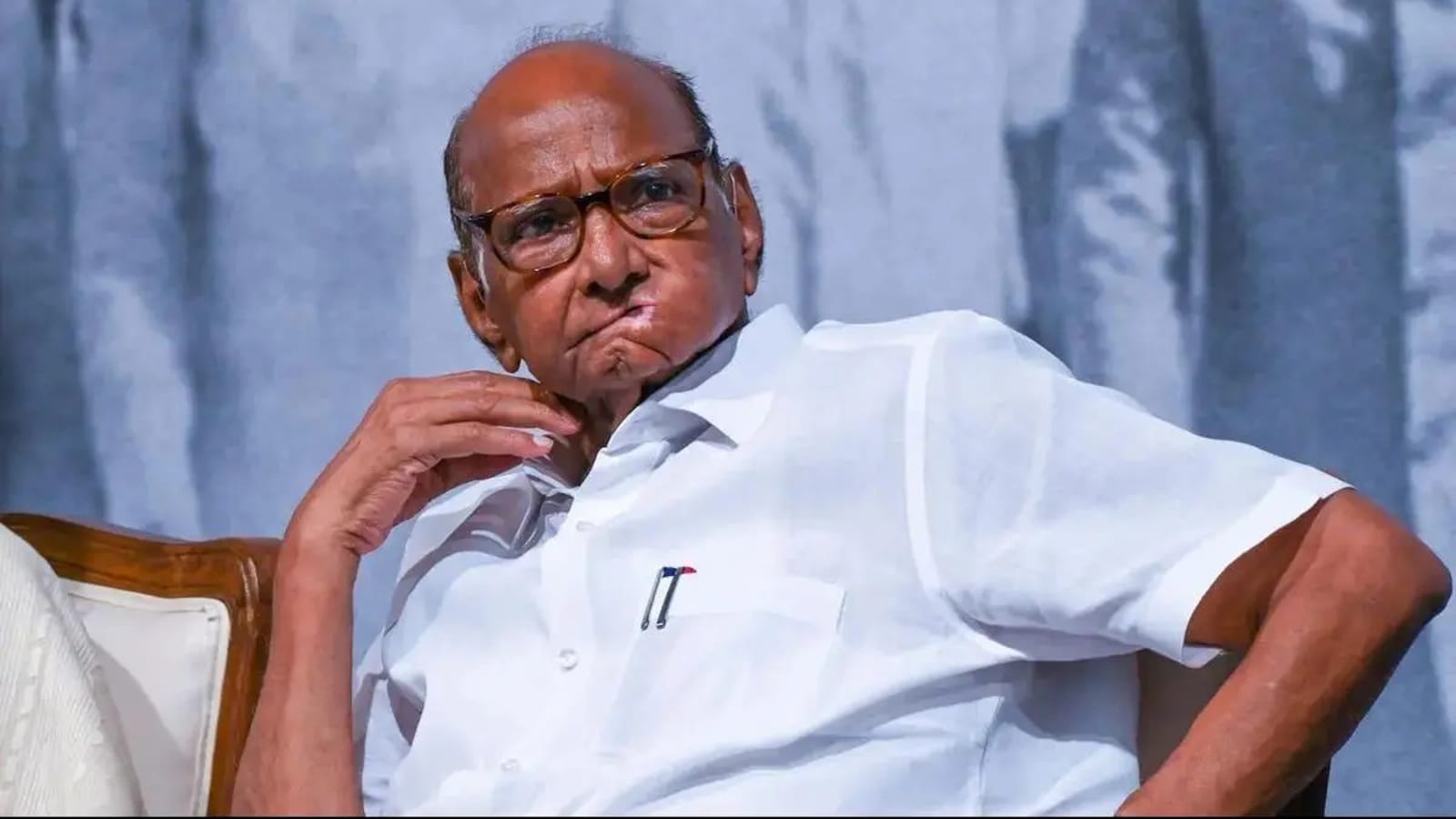
Veteran politician Sharad Pawar is keeping political observers in Maharashtra guessing about his party's next step, even while he is in hospital. The news analysis describes his reputation for being unpredictable, a quality he has shown for the last six decades in both state and national politics.
The main question is whether the Nationalist Congress Party (NCP), which Pawar founded in 1999, may move closer to the National Democratic Alliance (NDA), the alliance led by the Bharatiya Janata Party (BJP). Political parties in India often change alliances before elections or after important political developments, so any such move would be closely watched across the state. Because Pawar has not made his position fully clear, party workers, rival leaders, and voters are all trying to understand what he intends to do.
Pawar's long career has made him one of the most influential figures in Maharashtra's politics. Many analysts say his decisions have often surprised people, which is why even small signals from him attract strong attention. His followers and opponents alike are paying close attention to his statements and actions.
At this stage, the future direction of the NCP remains uncertain. Further details are expected as the situation develops, and readers should follow updates from reliable news sources for confirmed information.
Sources: NDTV
More India news
- Cheaper Batteries Make Solar and Wind the Lowest-Cost Power Source in India, Says BNEF
- Why Money Flowing Out of India Is Drawing Attention
- Qualcomm Layoffs: What Severance Will Former Employees in India Receive?
- Suriya's Cop Comedy 'Scene' Earns Rs 111 Crore in Five Days at the Box Office
- Ajay Devgn's Drishyam 3: The Conclusion Passes Rs 588 Crore Worldwide After 40 Days
- Ramayana: Part 1 Continues Strong Box Office Run with Rs 440 Crore Collection
- Government Uses Online Marketplace to Buy Farm and Allied Sector Goods
- World Bank Estimates Extreme Poverty in India at 2.6 Per Cent, Sparking Debate