Bengaluru’s Water Crisis: Why the Tech Capital Relies on the Cauvery River
Bengaluru, often called India’s Silicon Valley, is facing a serious challenge regarding its water supply. As one of the fastest-growing cities in the world, its demand for water has increased significantly over the last few decades. However, the city now relies almost entirely on the Cauvery River for its daily needs, which creates a difficult situation for its millions of residents.
Historically, Bengaluru had its own local water sources, including two major reservoirs: Hesaraghatta and Thippagondanahalli. These reservoirs were once the primary sources of water for the city. Today, however, they are no longer able to provide enough water to meet the needs of the modern population. This has forced the city to look much further away for its essential resources.
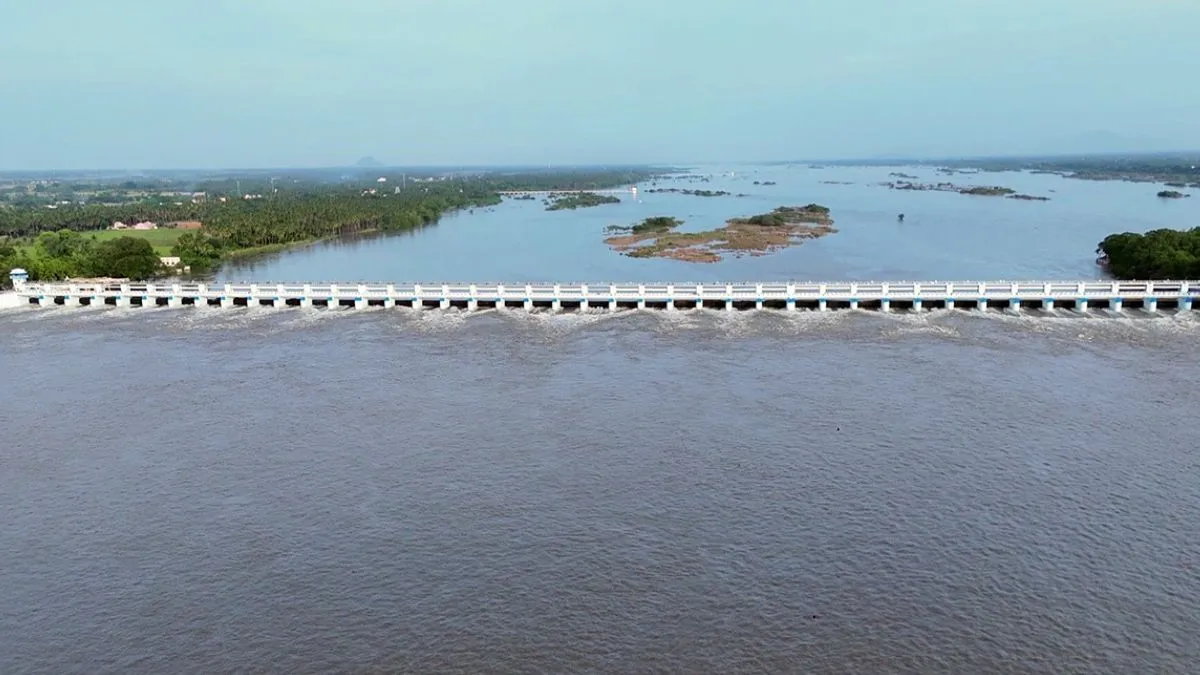
The Cauvery River is now the main lifeline for the city. Water is pumped from the river, which is located about 100 kilometers away, and brought into the city through a complex system of pipes. This process is not only expensive but also leaves the city vulnerable. If there is a lack of rain in the river's catchment areas, the water supply to the city can be severely affected, leading to shortages.
The rapid growth of the technology industry and the increasing population have put immense pressure on the existing infrastructure. Many neighborhoods, especially those on the outskirts of the city, often struggle with water scarcity. This has led to a heavy reliance on private water tankers, which can be very expensive for the average citizen and difficult to regulate.
Experts suggest that Bengaluru needs to find more sustainable ways to manage its water in the future. This includes reviving old lakes, improving rainwater harvesting systems, and reducing the total dependency on a single river. For a city that leads the country in technology and innovation, finding a modern solution to this environmental problem is now a top priority.