Government Strengthens Early Detection of Vision Problems Through Free Health Check Program
Published
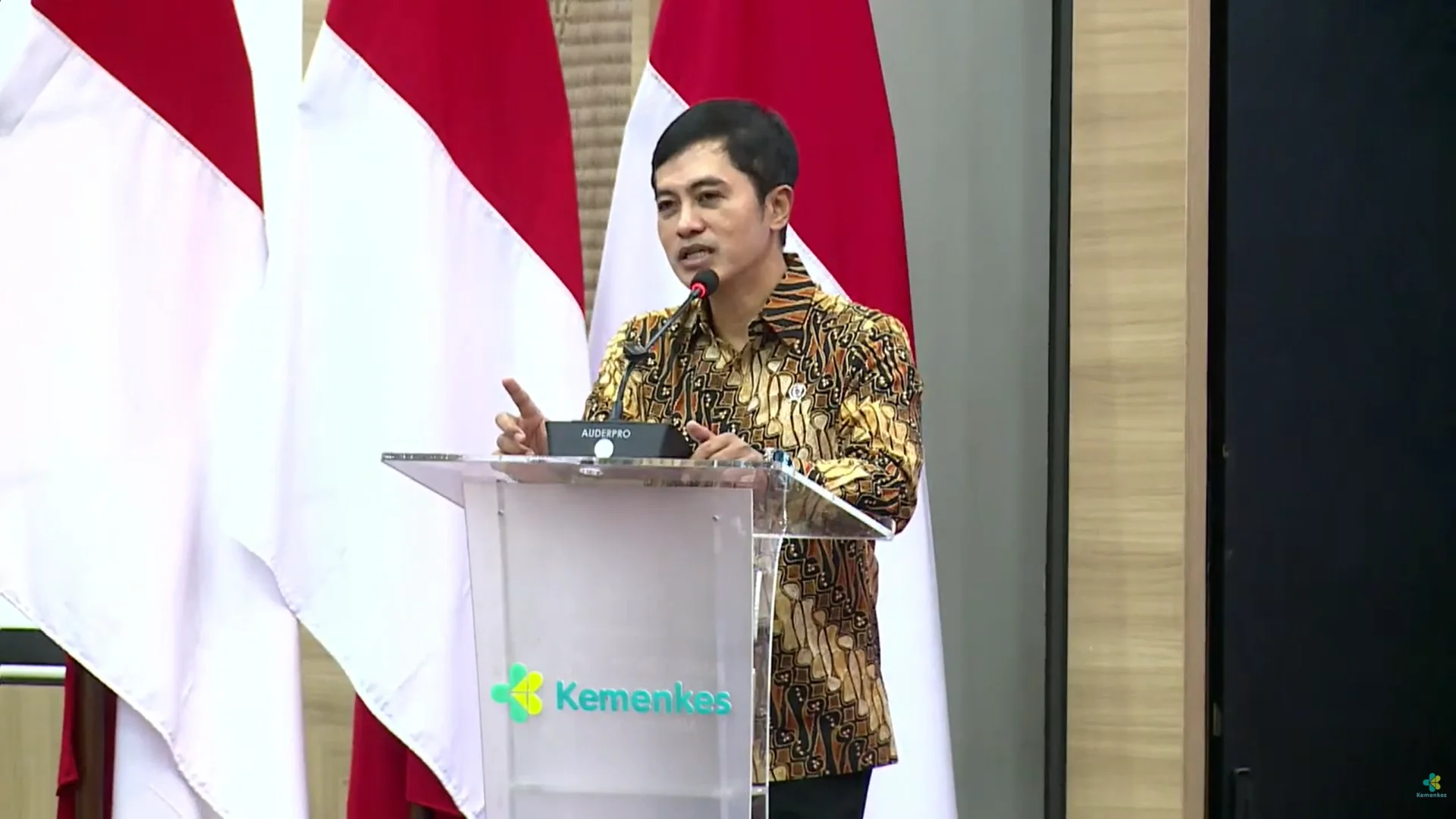
The Indonesian government is now increasingly serious about improving public health quality through the Free Health Check (CKG) program. One of the main focuses of this initiative is strengthening early detection of various vision problems experienced by residents in various regions.
The CKG program is designed to provide easier and more affordable access to health screenings for all levels of society. With routine check-ups, it is hoped that eye disorders such as myopia, cataracts, or other vision problems can be detected early before they become more serious conditions.
In addition to conducting examinations, this program also aims to increase public awareness of the importance of maintaining eye health from an early age. Education regarding healthy lifestyles and regular eye exams are important parts conveyed by medical personnel to the participants.
This step is part of the government's effort to reduce the number of people suffering from vision impairment in Indonesia. With faster detection, the medical treatment provided to patients can be carried out more effectively and precisely.
This Free Health Check program is expected to continue to run sustainably throughout all regions of Indonesia. The public is urged to utilize these health facilities so that their eye health and quality of life are well maintained.
Sources: RRI.co.id
More Indonesia news
- Huawei Watch D3 Launches in Indonesia on 19 November 2026
- Riau Islands Becomes Indonesia's Most Digitally Connected Province in 2025
- Indonesia's Digital Economy Potential Reaches USD 365 Billion, Government Strengthens AI Infrastructure
- Developing Chip Technology Requires the Support of Indonesia's Semiconductor Talent
- Giring Ganesha Leaves PSI, Party Says Political World Is Full of Change
- PT Rans Animasi Indonesia Wins Influencer Contract Worth Rp14.7 Billion from Two Ministries
- Indonesia Surrounded by Sea, But Port Investment Remains Limited
- Sanur SEZ Records 36,798 Patient Visits, Strengthens National Health Tourism