World News Summary: Diplomatic Tensions, Humanitarian Issues, and Economic Challenges
Tensions in the Middle East are the main focus today. Israeli forces reportedly arrested nine Indonesian citizens (WNI) who were on a humanitarian mission to Gaza. In response to this incident, the Indonesian Ministry of Foreign Affairs strongly condemned the action and demanded the immediate release of all crew members. At the same time, United States President Donald Trump claimed to have canceled plans for a new strike against Iran at the request of Gulf nations who were concerned about the impact of such a conflict.
In the global health sector, the World Health Organization (WHO) has officially designated the Ebola outbreak in the Democratic Republic of the Congo as an international emergency. Although its status is not yet considered a pandemic, the WHO noted that there have been around 80 deaths from hundreds of suspected cases. This decision was made so that the international community would be more vigilant and immediately provide the necessary medical assistance to prevent further spread.
Turning to national issues, President Prabowo Subianto sparked public discussion after stating that people in villages do not use the dollar currency. This statement came as a response to the weakening of the rupiah exchange rate. However, economic experts warned that the weakening of the currency still affects the prices of basic goods consumed by rural residents, even though they do not transact directly with foreign currency.
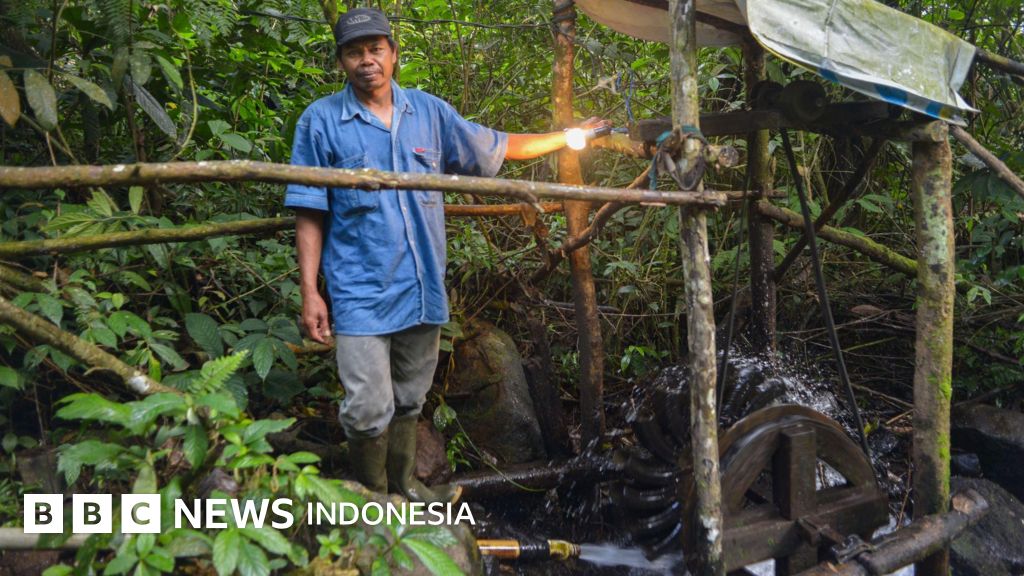
Still related to rural areas, there are reports regarding Kampung Cisadon in Bogor, which is located not far from President Prabowo's residence. To this day, the residents of the village have reportedly not received electricity access from PLN and still have to rely on traditional water wheels for their energy needs. Additionally, agrarian conflicts are also occurring from Nusa Tenggara to Kalimantan, where indigenous communities feel pressured by the designation of national park areas that limit their access to ancestral lands.
In international economic developments, Indian citizens have been asked to stop buying gold for one year. This call emerged because the economic impact of tensions between the United States and Iran has begun to affect financial stability in the country. Gold is an important commodity in India, but a temporary halt in purchases is considered necessary to protect the country's foreign exchange reserves amidst an uncertain global situation.
Meanwhile, warfare technology continues to evolve rapidly, as seen in the conflict between Ukraine and Russia. Ukrainian President Volodymyr Zelensky revealed that the use of robots and unmanned aerial vehicles (drones) has successfully reclaimed certain territories without involving many human soldiers. This provides a clear picture of how the future of warfare will rely heavily on machine technology and artificial intelligence.
In closing, history is back in the spotlight through an exhibition of six objects that serve as silent witnesses to the Cultural Revolution in China. These objects tell the story of the political and social upheaval that occurred over a decade in the past. Furthermore, a unique story has resurfaced regarding the military use of animals, namely "kamikaze dolphins" that were originally trained by the Soviet Union and later purchased by Iran, showing a long history of unusual military experiments.