The Mystery of T. rex's Small Arms: Why Did This Dinosaur Have Short Hands?
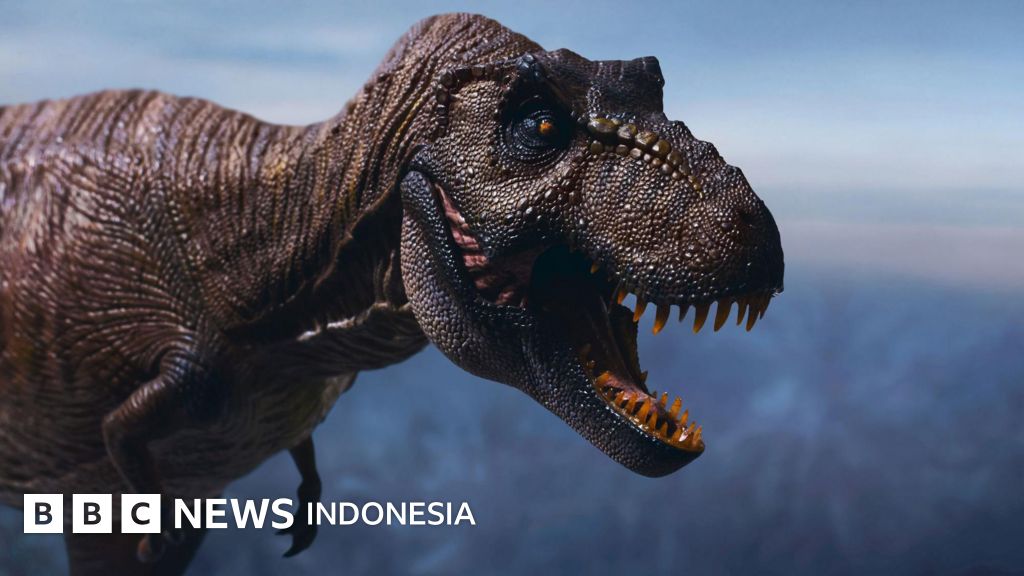
Tyrannosaurus rex, or more commonly known as T. rex, was one of the most terrifying predators to ever live on Earth. This dinosaur is very famous for its large body, strong legs, and sharp teeth. However, there is one physical trait that has always caught the attention of scientists and the general public: the size of its arms, which are very small compared to its giant body size.
Physically, an adult T. rex could grow up to 12 or 13 meters long. However, despite its very long body, its arms were only about one meter in length. This comparison looks very unbalanced when we look at other large predators. For years, paleontologists have tried to find the reason behind the evolution of this unique body shape.
A recent study provides an interesting explanation for this phenomenon. Researchers suspect that T. rex lost its long arms for safety reasons while feeding. When several T. rexes fed together on a single carcass, short arms could prevent them from being accidentally bitten by other T. rexes. With small arms kept close to the body, the risk of injury while fighting for food became lower.
Besides safety factors, T. rex's evolution seems to have prioritized strength in the head and jaw. Because T. rex had a very powerful bite to incapacitate prey, they no longer needed large arms for hunting. Over time, body energy was diverted to strengthen the neck and head muscles, so their arms gradually shrank because they were not used frequently.
Although this research provides a plausible answer, the mystery of dinosaur life continues to be studied by experts around the world. New discoveries like this are very important to help us understand how ancient creatures adapted to their environment millions of years ago. T. rex remains one of the most fascinating research subjects in the history of science.