Nickel Downstreaming Policy Considered Successful in Transforming Indonesia's Economic Structure
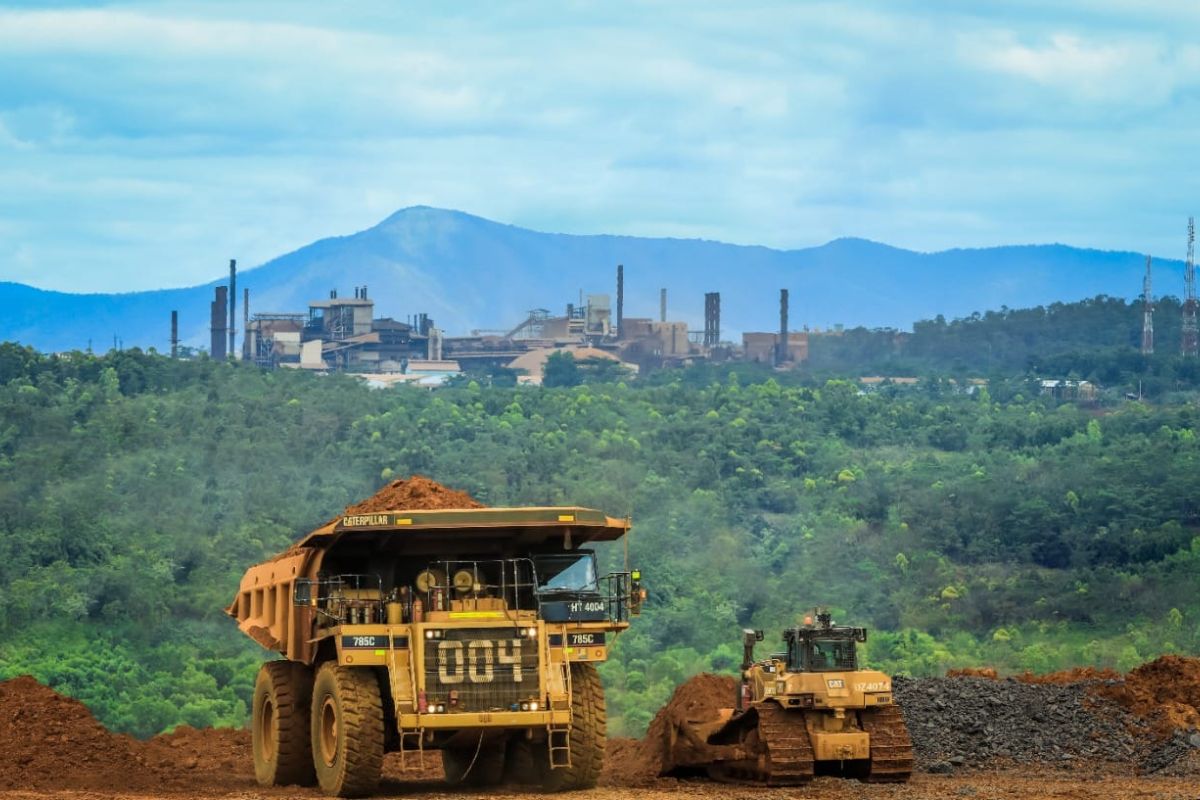
The nickel downstreaming policy implemented by the Indonesian government is now beginning to show a tangible impact on the national economic structure. Economists assess that this step has succeeded in shifting Indonesia's reliance from raw material exports to becoming a country with higher added value through domestic processing.
Before this policy was implemented, Indonesia mostly exported raw nickel ore abroad at low prices. However, with the mandatory domestic processing requirement, many refining plants or smelters have now been established. This has created new job opportunities for the local community and increased state revenue from the industrial sector.
In addition to providing economic benefits, downstreaming also encourages the growth of other supporting industries, such as the electric vehicle battery industry. Indonesia possesses the world's largest nickel reserves, making Indonesia's bargaining position in the global market increasingly strong within the global green energy supply chain.
Nevertheless, the challenge of maintaining environmental sustainability remains a primary concern. The government continues to strive to ensure that the nickel processing process adheres to strict environmental standards so that negative impacts on the ecosystem can be minimized.
Overall, this economic transformation is considered a strategic step to lead Indonesia toward becoming a more self-reliant industrial nation. The success of nickel downstreaming is expected to serve as a model for the development of other commodities in the future to strengthen the national economy.