Challenges to Indonesia's Industrial Competitiveness Amid Global Technological Change
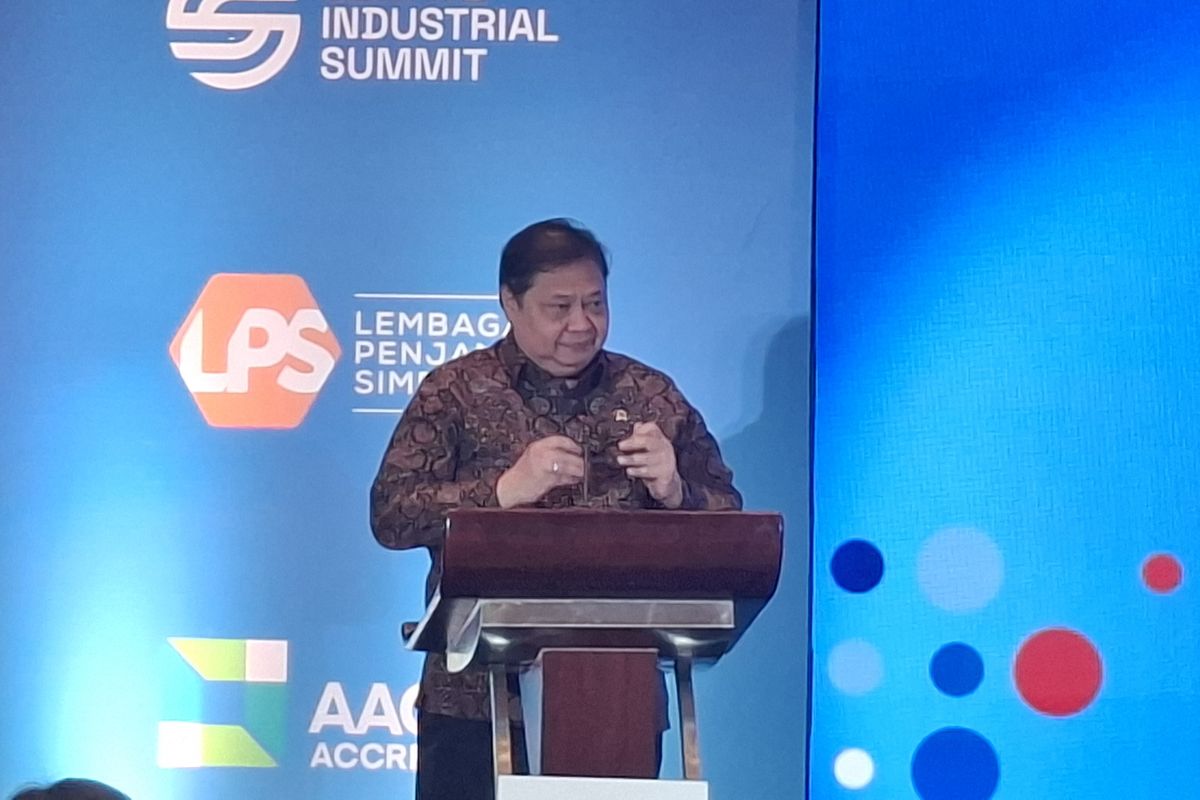
The competitiveness of Indonesia's manufacturing industry is currently facing major challenges due to rapid technological changes. Furthermore, the constantly shifting dynamics of the global supply chain demand that national industry players become more adaptive and efficient in carrying out production processes.
One of the main focuses at present is the application of digital technology in industrial processes, often referred to as Industry 4.0. The use of technologies such as artificial intelligence and automation is considered essential for Indonesian products to compete with other countries in the international market. Without proper technological adaptation, domestic industries risk falling behind global competitors.
In addition to technological issues, disruptions in the global supply chain are also having a tangible impact on Indonesia. Global economic uncertainty makes logistics costs more expensive and difficult to predict. Therefore, the government and business players need to find new strategies to strengthen the domestic supply chain so as not to be overly dependent on imported raw materials from abroad.
To overcome these challenges, improving the quality of human resources (HR) is the key. Workers in the industrial sector must possess new skills to be able to operate modern machinery and digital technology. Continuous training is expected to significantly increase the productivity of the Indonesian workforce.
In conclusion, the future of Indonesia's industry depends heavily on the country's ability to adopt technological innovation and strengthen supply chain resilience. With the right steps, Indonesia has great potential to become a major player in the global industry in the future.