Indonesian Government Targets National Plasma Bank to Be Operational by 2027
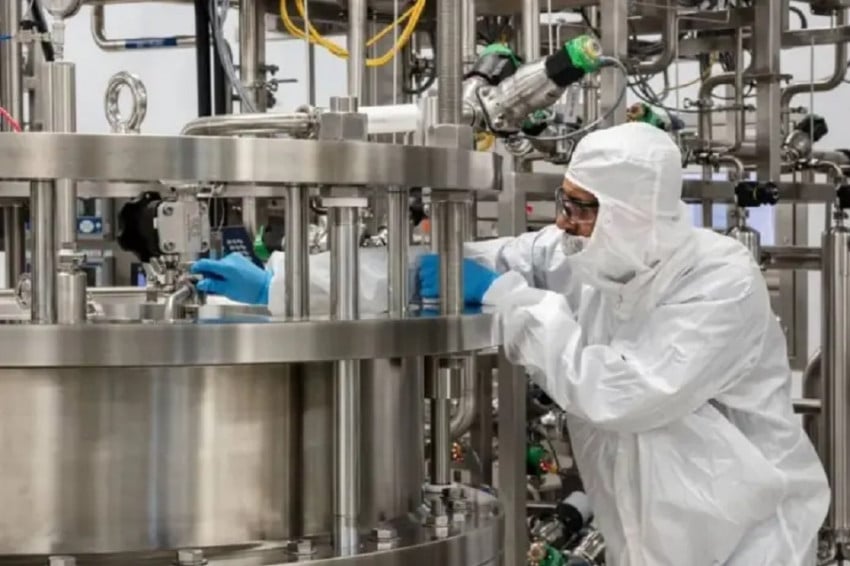
The Indonesian government is currently initiating strategic steps to build a domestic plasma-derived medicine ecosystem. This effort is being undertaken to enhance national health independence by providing more modern and integrated blood plasma processing facilities.
One of the main targets of this plan is the construction of a National Plasma Bank, which is scheduled to begin operations in 2027. This facility will serve as a center for the collection and processing of blood plasma gathered from donors across all regions of Indonesia.
The development of this ecosystem is crucial because Indonesia has historically been highly dependent on imported plasma-derived medicinal products. With domestic facilities in place, it is hoped that the availability of medicines for various critical illnesses will be more secure and their prices more affordable for the public.
In addition to improving health resilience, this project involves collaboration between various government agencies and relevant health sectors. The government ensures that the entire plasma processing procedure will follow strict medical safety standards to guarantee the quality of the resulting products.
Overall, the construction of the National Plasma Bank is a major step for Indonesia's health sector. If it proceeds according to plan, this facility will become an important milestone in reducing dependence on foreign medical products and strengthening the national healthcare system in the future.