38 Percent of Community Health Centers in Indonesia Still Lack Health Workers
Published
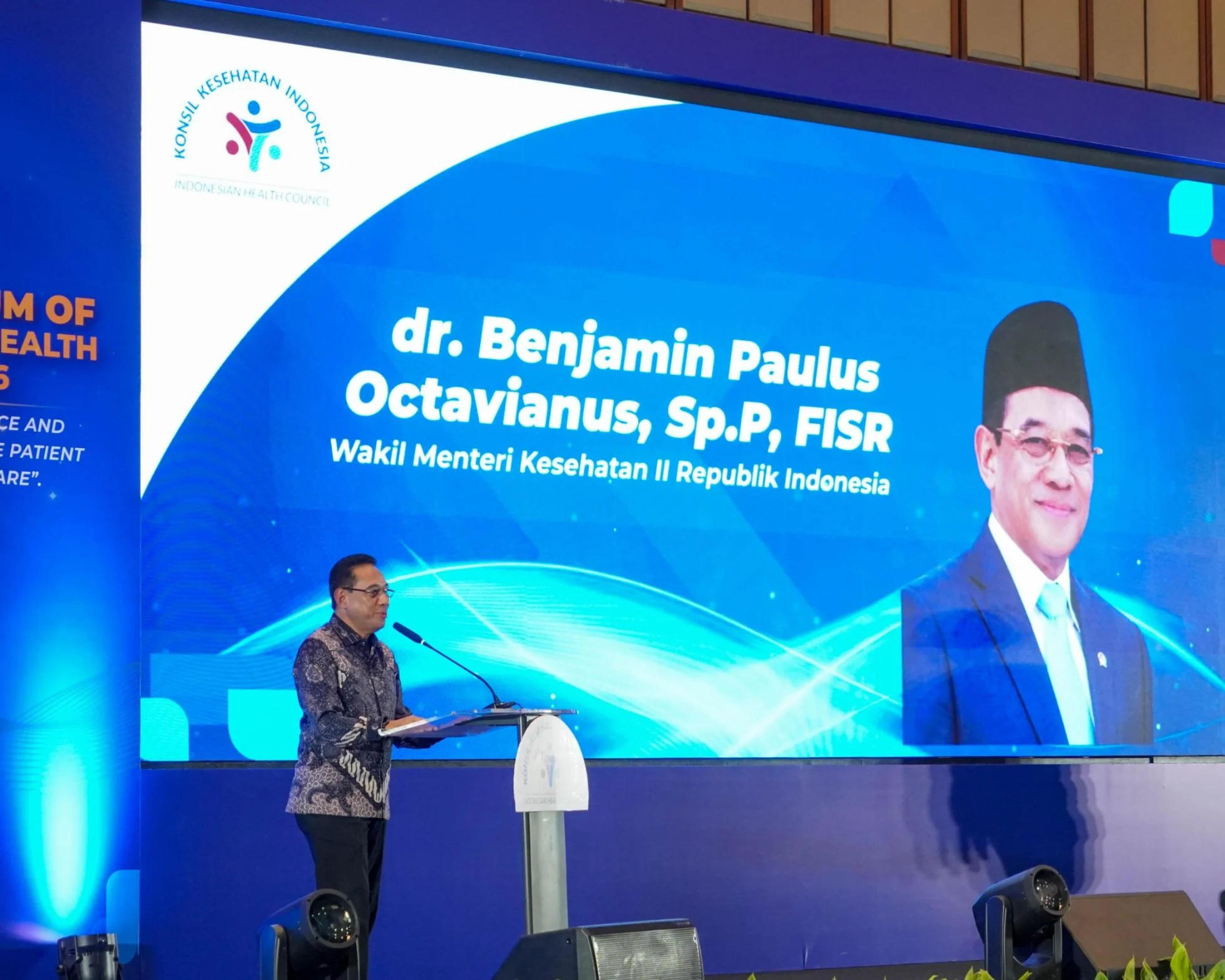
The Ministry of Health (Kemenkes) of the Republic of Indonesia has recorded that 38 percent of Puskesmas across Indonesia still lack health workers. Puskesmas, or community health centers, are the basic health service facilities closest to residents, especially in villages and remote areas.
According to Kemenkes data, many of these Puskesmas do not yet have the nine types of medical personnel that should be available. These vacancies mean that some Puskesmas cannot yet provide basic health services to the community in full. The shortage of health workers is one of the main challenges in equalizing health services in Indonesia.
Kemenkes, as the government agency responsible for the health sector, continues to monitor this condition. The monitoring aims to identify which regions most need additional health workers. This information can also be used to determine future policies on the placement of medical personnel.
For the public, this condition is important to know because Puskesmas are the first place to seek treatment and receive disease prevention services. This Kemenkes data shows that the equitable distribution of health workers still needs attention in various regions of Indonesia.
Sources: RRI.co.id
More Indonesia news
- Huawei Watch D3 Launches in Indonesia on 19 November 2026
- Riau Islands Becomes Indonesia's Most Digitally Connected Province in 2025
- Indonesia's Digital Economy Potential Reaches USD 365 Billion, Government Strengthens AI Infrastructure
- Developing Chip Technology Requires the Support of Indonesia's Semiconductor Talent
- Giring Ganesha Leaves PSI, Party Says Political World Is Full of Change
- PT Rans Animasi Indonesia Wins Influencer Contract Worth Rp14.7 Billion from Two Ministries
- Indonesia Surrounded by Sea, But Port Investment Remains Limited
- Sanur SEZ Records 36,798 Patient Visits, Strengthens National Health Tourism