The Automotive Industry: A Mirror of Indonesia's National Economic Health
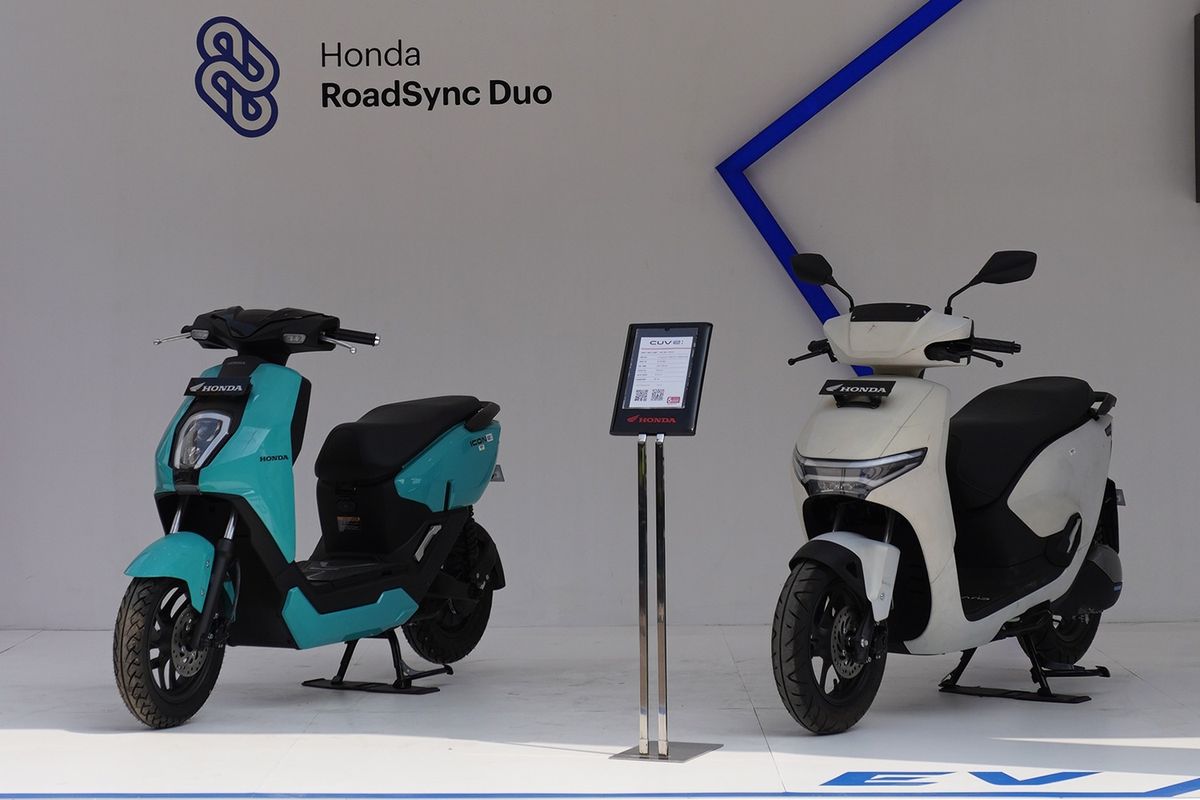
The automotive sector, particularly motorcycles, plays a very important role in Indonesia. Besides being the primary means of transportation for millions of people, this industry also serves as an indicator or a yardstick for national economic health. If motorcycle sales are smooth, it usually signifies that the country's economy is in a stable condition.
Economists often refer to the automotive industry as an economic 'barometer.' This is because public purchasing power can be clearly seen from monthly vehicle sales figures. In Indonesia, motorcycles are the most widely owned vehicle by people from various economic levels, making the data highly accurate for observing market trends.
However, if this industry experiences a decline or contraction, it serves as an alarm or warning for the government. A drop in motorcycle sales indicates that the public is starting to hold back and reduce their spending. This could be an early sign that the national economic condition is facing serious challenges.
The automotive industry also does not stand alone as it involves a large workforce and other supporting sectors. From large assembly plants to small roadside repair shops, many are highly dependent on this industry. If the automotive sector is disrupted, many other sectors, such as spare part providers and financing companies, will also feel the impact.
In conclusion, maintaining the growth of the automotive industry is crucial to ensuring that the wheels of Indonesia's economy keep turning. The government and industry players need to work together to keep public purchasing power strong. Thus, national economic stability can be maintained amidst various global challenges.