The Secret Behind the Leaning Tower of Pisa: Why Doesn't the Leaning Building Collapse?
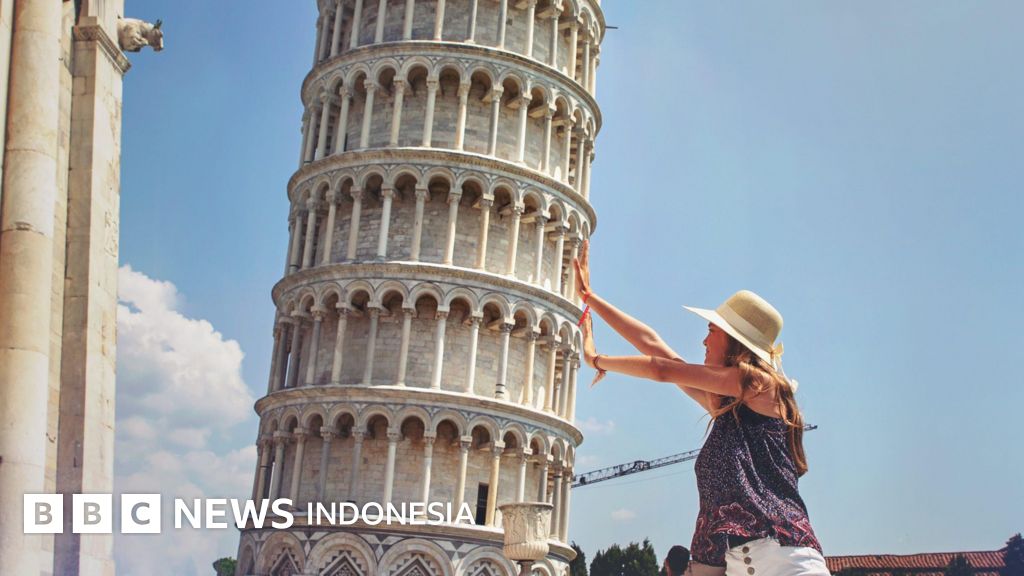
The Leaning Tower of Pisa in Italy is one of the most famous architectural icons in the world. This building is unique because of its tilted position to one side. Many people are amazed and wonder how a 56-meter-tall building can remain standing without falling to the ground for hundreds of years?
The main cause of this tilt is related to the soil conditions at the construction site. When construction began in the 12th century, workers did not realize that the ground beneath it was very soft. The soil consisted of a mixture of sand, silt, and clay. Because the building's foundation was not deep enough, the weight of the tower caused one side to slowly begin sinking into the ground.
Scientifically, a leaning building can remain standing as long as its center of gravity remains over its foundation. However, to prevent collapse, engineers have made many repairs over the years. At the end of the 20th century, a team of experts carried out a major project to stabilize the tower by removing some soil from the higher side. As a result, the tower's position became more stable and safe for visitors.
Besides the Leaning Tower of Pisa, there are many other leaning buildings around the world. Some of them lean due to natural factors or human error, such as the Leaning Tower of Suurhusen in Germany, which was built on marshy ground. On the other hand, there are also modern buildings intentionally designed to lean for artistic and aesthetic purposes; for example, the Capital Gate building in Abu Dhabi, which has a very extreme tilt.
This phenomenon of leaning buildings provides an important lesson in the world of architecture and civil engineering. It shows that with the right technology and maintenance, even buildings that appear fragile can last for centuries. To this day, the Leaning Tower of Pisa remains a popular tourist destination that proves the wonders of science and human history.