Getting to Know the Asset Recovery Bill That Has Become a Public Spotlight
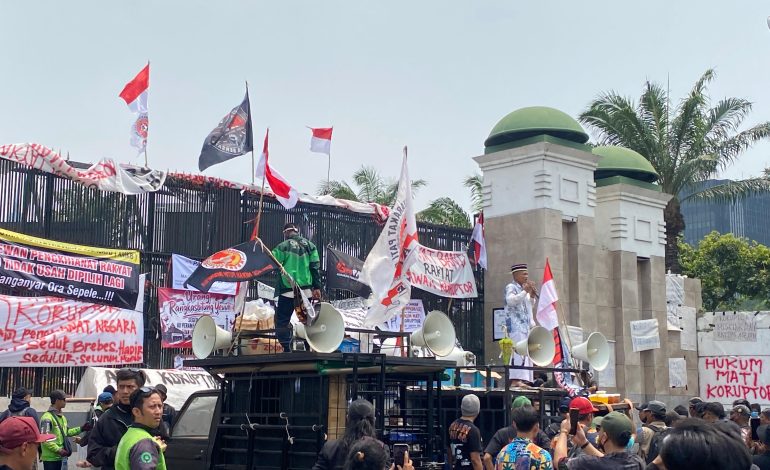
The Asset Recovery Bill (RUU Perampasan Aset) has become a hot topic of conversation in Indonesia. This regulation resurfaced after being voiced by the public during demonstrations on August 27. Many parties are demanding that the government and the House of Representatives (DPR) immediately discuss and pass this regulation to support the eradication of corruption in the country.
Fundamentally, the Asset Recovery Bill aims to provide a strong legal basis for the state. With this regulation in place, the state would have the authority to seize and confiscate the assets or wealth of individuals suspected of having been obtained through unlawful acts, such as corruption or money laundering. The goal is for assets resulting from crimes to be returned to the state.
However, this proposal is not free from various criticisms and debates. A number of parties have questioned the implementation mechanism for such asset seizures to ensure it remains fair and does not violate human rights. Concerns regarding the potential for abuse of power by law enforcement officials are one of the reasons why the discussion of this bill has been quite arduous.
On the other hand, supporters of this bill argue that the regulation is urgently needed to provide a deterrent effect for perpetrators of economic crimes. They believe that by seizing assets resulting from crimes, the state can recover financial losses experienced due to massive corrupt practices.
To date, the discussion process regarding the Asset Recovery Bill is still ongoing at the legislative level. The public is expected to continue monitoring the development of this regulation due to its significant impact on the legal system and the enforcement of justice in Indonesia in the future.