Land Conflict: Between Nature Conservation and Indigenous Rights
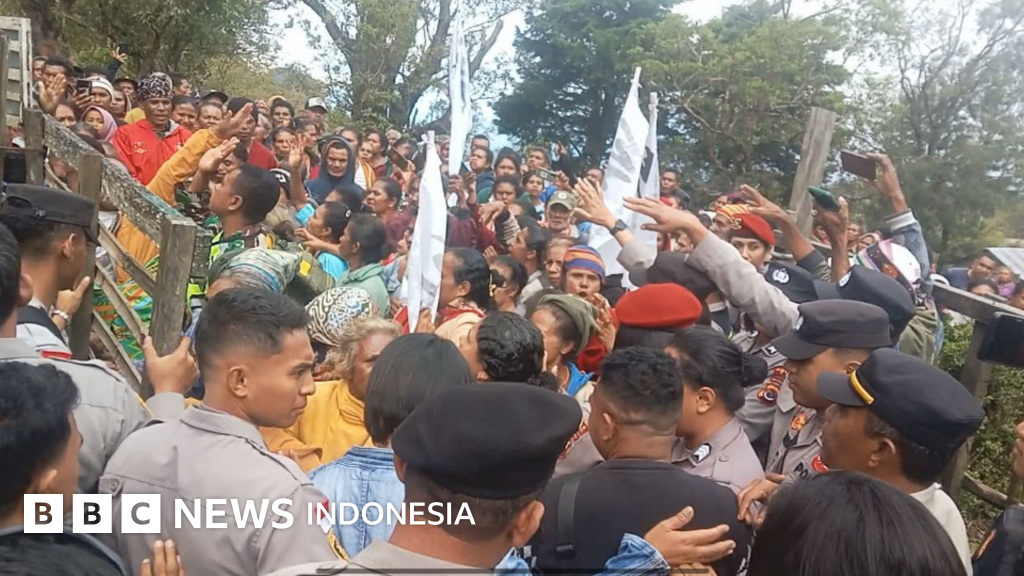
The Indonesian government has a major mission to protect the environment through conservation policies. One of the main steps is designating certain forest areas as national parks. However, this policy often leads to serious conflicts with indigenous communities who have lived in those areas for generations.
These agrarian conflicts occur in various regions of Indonesia, from Nusa Tenggara to Kalimantan. Many indigenous communities feel their position is increasingly squeezed by state regulations. They emphasize that the land they occupy is an ancestral heritage, and therefore the state should not take over the land without permission.
On the other hand, the government argues that the establishment of national parks is crucial for maintaining biodiversity. Forests must be protected from damaging human activities to keep the ecosystem balanced. However, the boundaries between protected forests and residential areas are often a subject of debate due to a lack of coordination on the ground.
The impact of this conflict is deeply felt by local residents. Many members of indigenous communities now face difficulties accessing natural resources to meet their daily needs. They are often considered to be breaking the law if they harvest forest products in areas that have now been designated as conservation zones.
This issue shows that nature conservation cannot be separated from the rights of local communities. More open dialogue and fair solutions are needed between the government and indigenous peoples. The goal is for nature protection to go hand in hand with respect for human rights.