Indonesia Uses Dry Ice Technology to Reduce Haze in South Sumatra
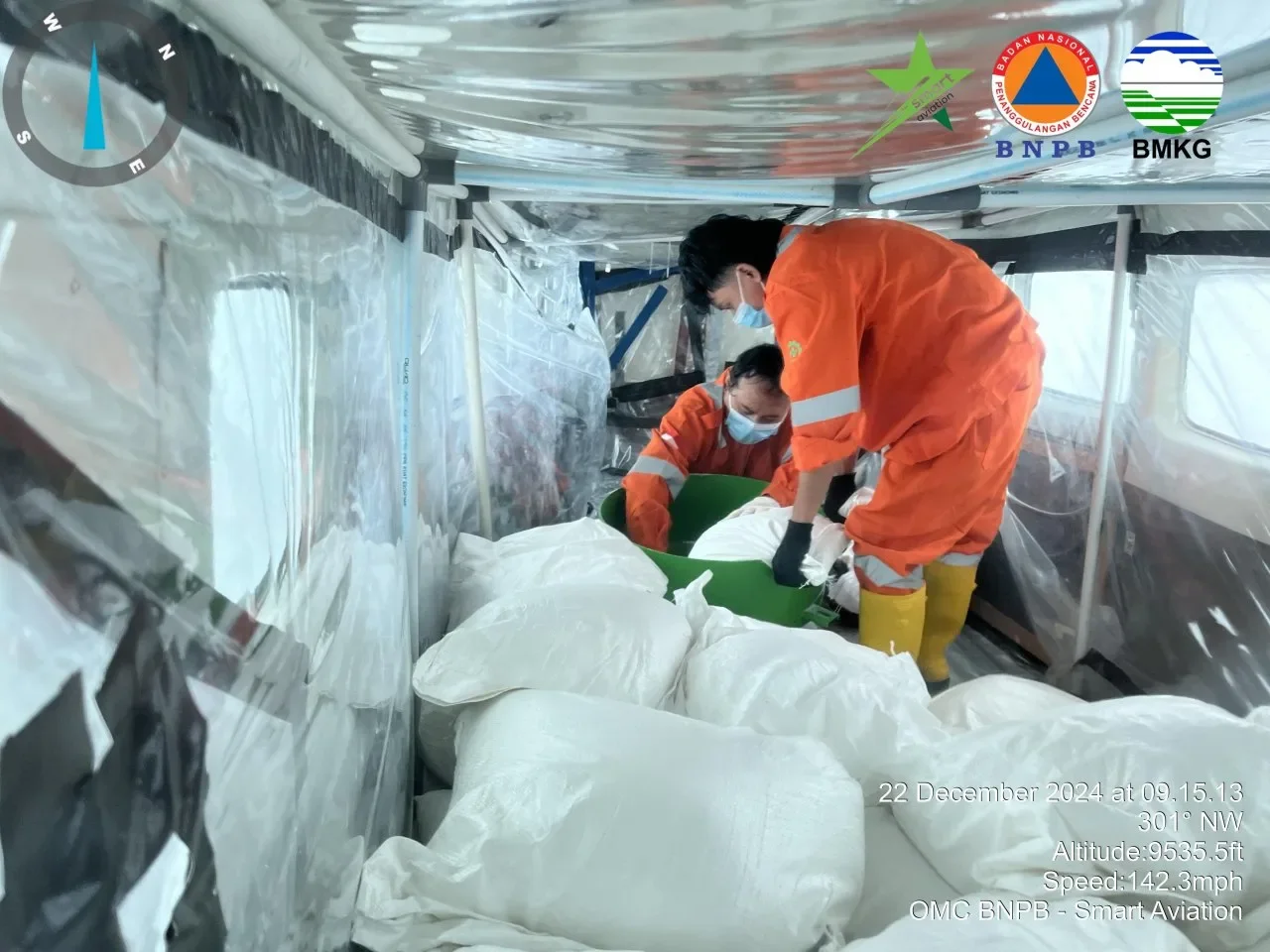
The Indonesian government, through the National Disaster Management Agency (BNPB), has begun implementing new technology to address the problem of haze. This innovation uses dry ice to trigger artificial rain in the South Sumatra region. This step was taken as an early preventive measure to ensure that forest and land fires do not spread during the dry season.
Dry ice technology was chosen because it is considered more effective than traditional cloud seeding methods. Dry ice works by cooling clouds instantly, thereby accelerating the process of raindrop formation. This method is expected to dampen dry peatlands and prevent the emergence of new hotspots in areas prone to fire.
In addition to the use of technology, a joint team consisting of the military (TNI), police (Polri), and local communities continues to conduct ground patrols. They monitor hotspots via satellite every day to respond to fire reports quickly. This inter-agency coordination is crucial to ensure that operations on the ground run smoothly and are well-targeted.
Air quality in several regions of South Sumatra had experienced a decline due to smoke from fires. Therefore, the government urges the public to remain vigilant and reduce outdoor activities if air conditions worsen. The use of masks is also recommended for residents living near fire locations.
These mitigation efforts are expected to safeguard public health and protect Indonesia's forest ecosystems. The government is committed to continuously monitoring the effectiveness of this dry ice technology before implementing it in other provinces that also face a high risk of forest fires. Cooperation from all parties is the key to keeping the environment clean and free from haze.