The Readiness of the Indonesian Workforce in Facing the Artificial Intelligence Era
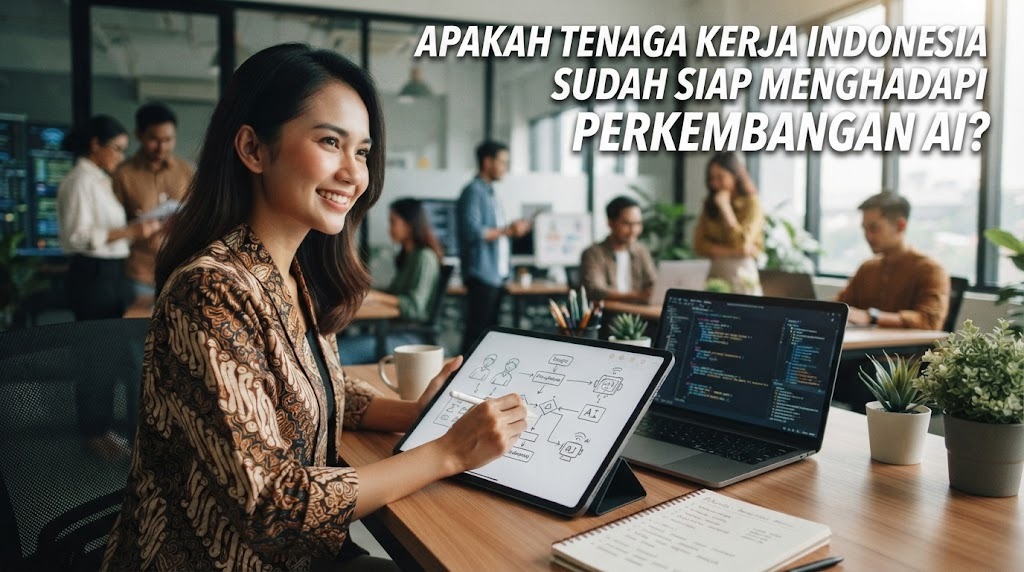
The development of artificial intelligence (AI) technology is now moving very rapidly across the globe. This technology has begun to change the way many industries operate, including in Indonesia. Therefore, an important question arises regarding whether the workforce in Indonesia already possesses sufficient skills to adapt to this major shift.
Many experts argue that AI will replace several types of routine jobs. However, on the other hand, this technology also creates new job opportunities that require critical and creative thinking skills. The main challenge is ensuring that workers have access to learning new skills in order to remain relevant in an increasingly competitive job market.
The government and the education sector in Indonesia have begun to realize the importance of digital literacy. Various training programs are being developed to enhance technological capabilities for the younger generation. The primary focus is to equip workers with expertise in data, programming, and the use of AI-based tools to support daily work productivity.
In addition to technical skills, the ability to continue learning, or 'lifelong learning,' has become crucial. Workers are expected not only to rely on knowledge gained in school but also to actively follow the latest technological developments independently. Companies are also expected to play an active role in providing internal training for their employees.
Overall, the transition toward the AI era indeed brings challenges that are not easy for the Indonesian workforce. However, with good collaboration between the government, the education sector, and the industry, Indonesia has a great opportunity to leverage this technology. Mental readiness and the willingness to adapt will be the key to the future success of Indonesian workers.