The Strategic Role of Natural Gas in Maintaining Indonesia's Energy Security
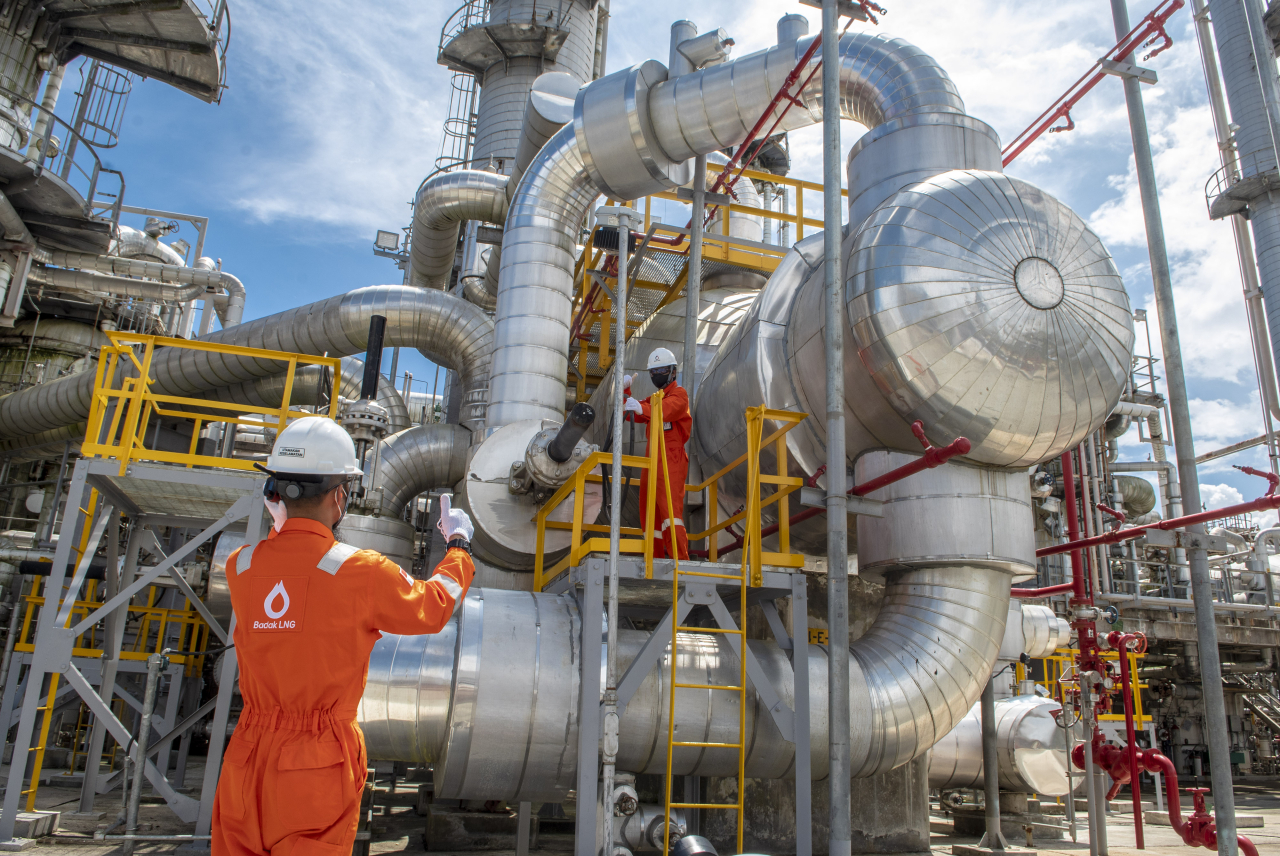
Natural gas and liquefied natural gas (LNG) have once again become the center of attention in global energy discussions. For Indonesia, this commodity is viewed not only as an energy source but also as a key element in maintaining national energy security amidst increasingly complex global geopolitical challenges.
In various international forums, experts have emphasized that natural gas plays a vital role as a transition energy. Indonesia, which possesses abundant gas reserves, has a significant opportunity to strengthen its position as a major player in the global energy supply chain. The utilization of these resources is expected to support domestic needs while simultaneously increasing exports.
However, the challenges in managing this sector are not easy. Beyond technical issues in production, Indonesia must also face the dynamics of global energy prices, which frequently fluctuate. Therefore, the government continues to strive to create stable policies so that investment in the natural gas sector remains attractive to international industry players.
In addition to economic aspects, the development of domestic gas infrastructure is also a priority. The construction of pipeline networks and LNG processing facilities aims to ensure equitable energy distribution to all corners of Indonesia, allowing the public to enjoy more affordable and sustainable access to energy.
In conclusion, Indonesia's position in the global gas industry is highly strategic. With proper management and the use of efficient technology, Indonesia is expected to be able to strengthen national energy security while providing a tangible contribution to future global energy needs.