Bandung Quinine Factory: A Silent Witness to the History of Indonesia's Pharmaceutical Industry
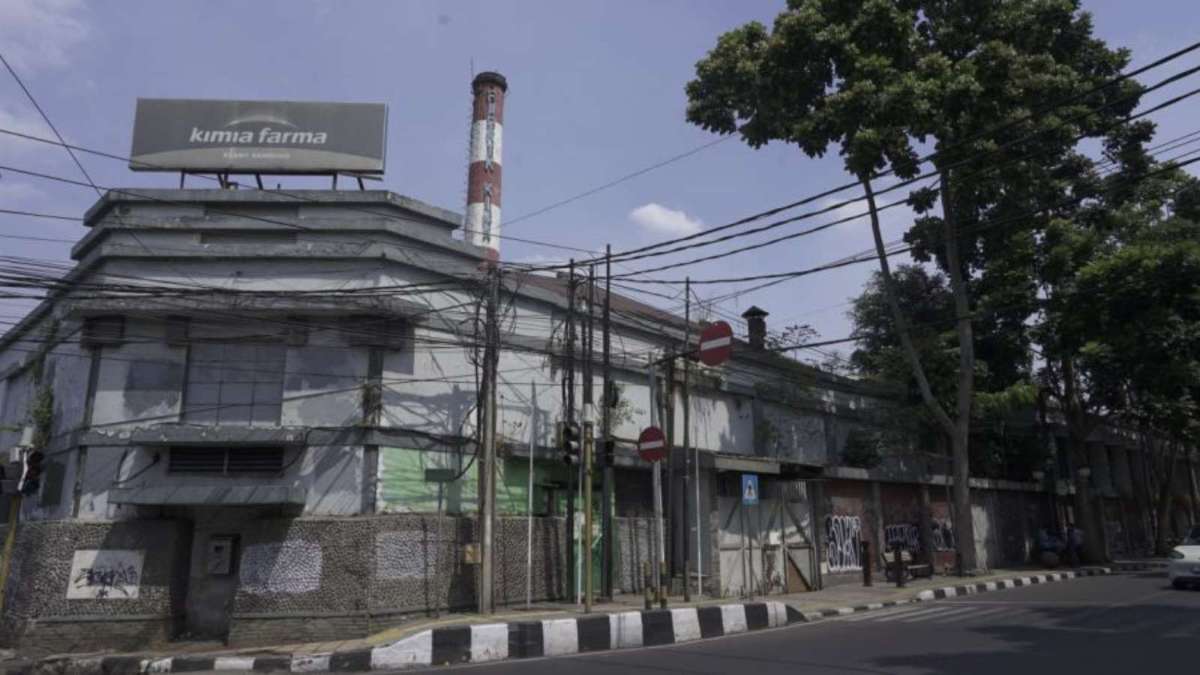
The Bandung City Government has recently highlighted the existence of the former Quinine Factory as an important part of national history. This building is considered a highly valuable historical trace for the development of the pharmaceutical industry in Indonesia.
The history of this factory began in 1896. At that time, the factory became a highly strategic center for quinine processing. Quinine itself was a very important plant due to its efficacy in treating malaria, which had once been a major problem in Indonesia.
The existence of this factory shows that Indonesia already possessed advanced healthcare industrial infrastructure since the colonial era. Beyond being a production site, the factory now serves as a symbol of the pharmaceutical technological progress of its time, which continues to be studied by experts to this day.
Currently, the local government is striving to preserve the building as a historical site. This step was taken so that the younger generation can understand how the pharmaceutical industry in the country began and developed to reach its current point.
In conclusion, the Quinine Factory in Bandung is not merely an old building, but a tangible piece of evidence of the long journey of Indonesia's healthcare sector. The preservation of this site serves as a reminder to the public about the importance of valuing the history of the national industry.