Safe Sanitation Access in Indonesia Remains the Lowest in ASEAN
Indonesia is currently facing a major challenge in the environmental health infrastructure sector. Based on the latest data, public access to safe sanitation has only reached 10.2 percent. This figure places Indonesia in the lowest position among other ASEAN member countries.
This condition indicates that many residents still do not have access to wastewater management systems that meet health standards. Poor sanitation can have a direct impact on public health quality, including the risk of spreading diseases caused by an unclean environment.
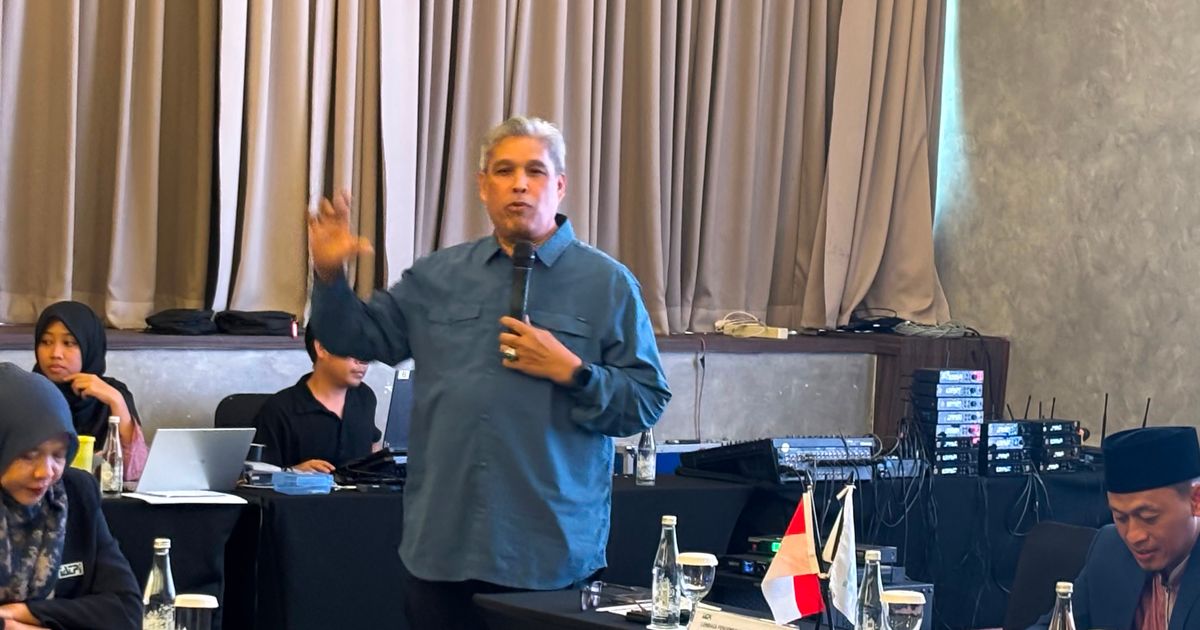
In response to this issue, the Indonesian Society of Sanitary and Environmental Engineers (IATPI) has begun taking concrete steps. They are pushing for accelerated certification for experts in the fields of sanitation and wastewater management so that infrastructure development can be carried out more professionally and efficiently.
The government and relevant parties are expected to work together to increase the coverage of sanitation access throughout Indonesia. With certified experts, it is hoped that future sanitation projects can run better and be able to catch up with neighboring countries.
Improving sanitation access is not just about physical construction, but also a long-term investment for the health of future generations. A focus on improving wastewater systems will be the key to creating a healthier and more livable environment for all Indonesian people.