Industrial Downstreaming: Indonesia's Key to Increasing Economic Value Added
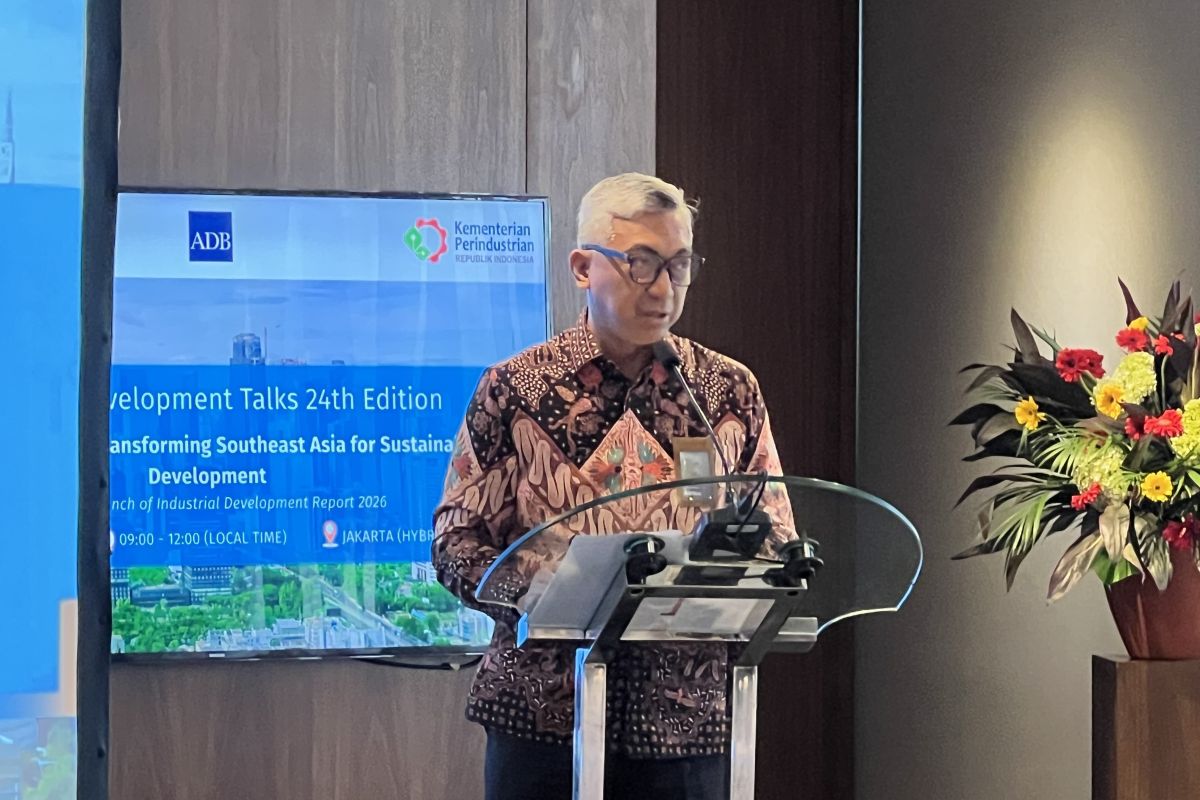
The Ministry of Industry (Kemenperin) asserts that the industrial downstreaming policy has brought significant changes to Indonesia's economic structure. This program aims to increase the value added of domestic commodities before they are exported to the international market.
Through downstreaming, Indonesia no longer relies solely on the sale of raw materials. The government encourages companies to process natural resources, such as nickel and bauxite, into semi-finished or finished goods domestically. This step is considered capable of strengthening Indonesia's position in the global supply chain.
In addition to increasing the selling value of products, this policy also has a positive impact on local employment absorption. The construction of new processing plants in various regions creates many job opportunities for the community, while simultaneously driving economic growth in areas surrounding industrial sites.
However, challenges in the implementation of downstreaming remain, particularly regarding the need for high technology and skilled human resources. Therefore, the government continues to strive to conduct training and collaborate with various parties to ensure the sustainability of this industrial sector.
In conclusion, downstreaming has become the government's primary strategy to transform the national industrial structure into a more productive one. By focusing on domestic resource processing, Indonesia is expected to become a more independent and competitive industrial nation in the future.