Understanding the Political Role of Kiai in National Life
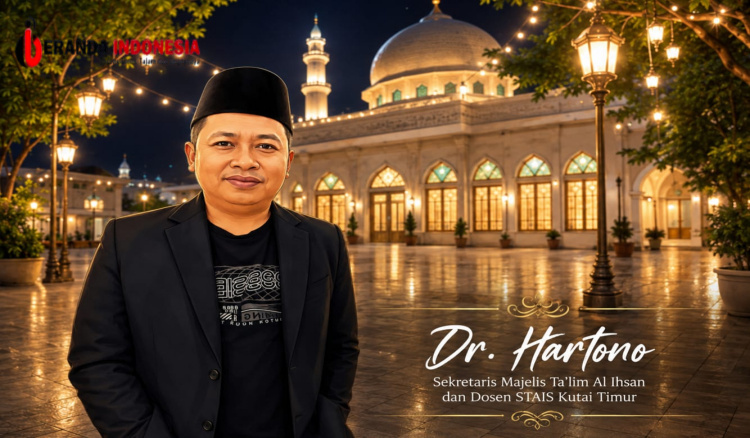
In the dynamics of politics in Indonesia, the role of kiai (Islamic scholars) is often in the public spotlight. Many parties argue that the politics practiced by these religious figures should ideally be 'high politics,' which prioritizes noble values.
This high politics is characterized by a calm demeanor, humility, and always prioritizing the interests of the community over personal or group interests. In this view, political office is not the primary goal, but rather a mandate to bring benefit to the wider society.
Discussions regarding the political role of kiai often arise in various major forums, such as the Nahdlatul Ulama (NU) Congress. In these events, scholars and organization administrators often discuss how the involvement of kiai in the public sphere should remain in line with moral values and religious ethics.
Balancing political idealism and the reality on the ground presents its own challenges. On one hand, kiai are expected to be a soothing presence amidst the heat of political competition, but on the other hand, they are also required to remain relevant in responding to developing social issues.
In conclusion, the role of kiai in Indonesian politics remains an important element in maintaining the nation's moral stability. By steadfastly upholding the principles of polite politics that are oriented toward the welfare of the people, it is hoped that the presence of kiai can continue to provide a positive impact on the life of the state.