Belfast Reflects on Transformation Following Fleadh Cheoil Success
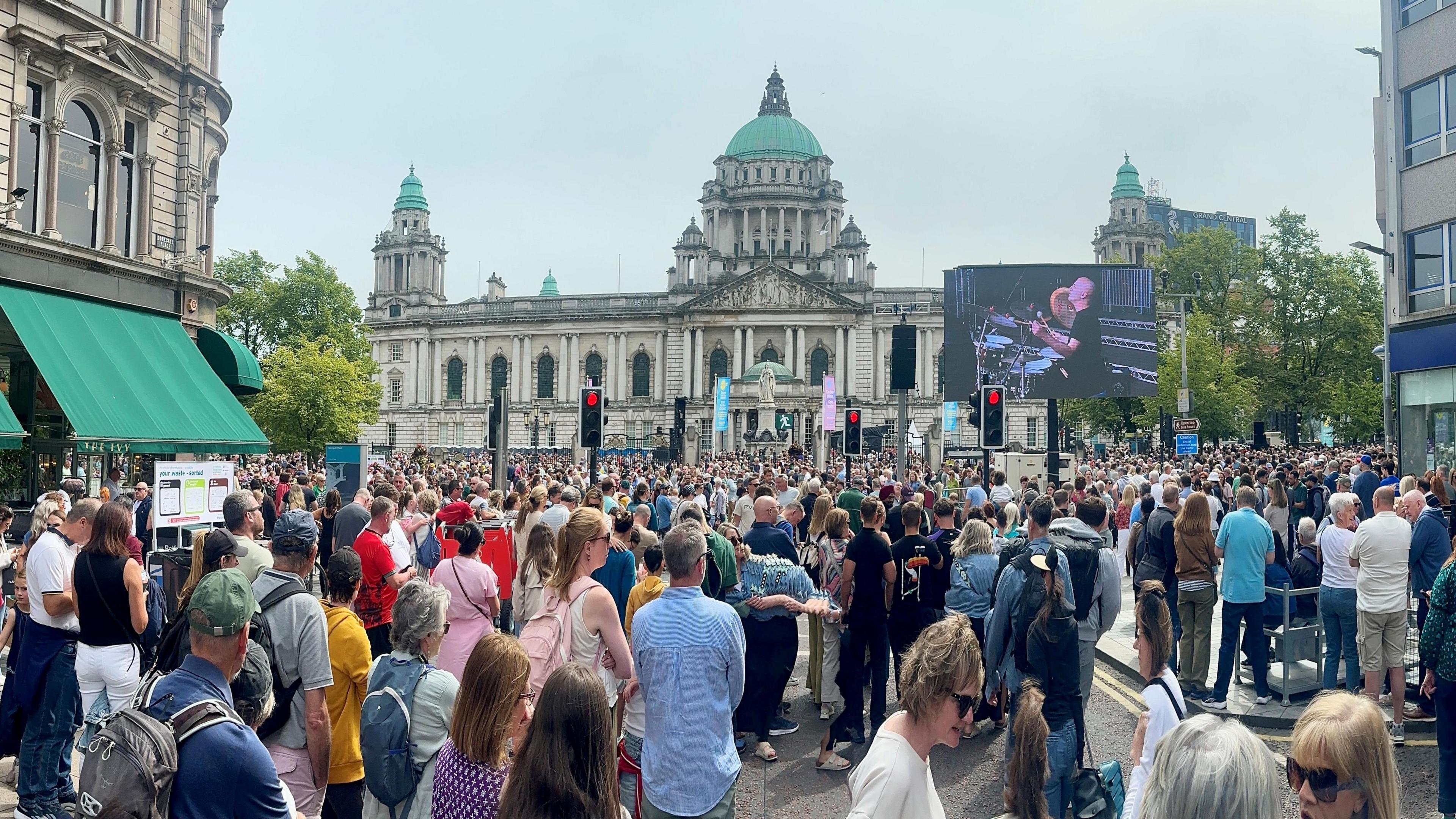
Belfast has recently celebrated a major cultural milestone by hosting the Fleadh Cheoil na hÉireann. The event, which is the world’s largest festival of Irish traditional music, brought thousands of visitors to the city. For many residents, the atmosphere was a powerful reminder of how much the city has changed over the last few decades.
Looking back at the 1970s, 1980s, and 1990s, the traditional music scene in Belfast faced significant challenges. During those years, the city was often defined by political conflict, which made hosting large-scale cultural events difficult. Many people who lived through that era noted that the idea of holding a major national festival in the city once seemed impossible.
Today, however, the city is described by many as "unrecognisable" compared to its past. The successful hosting of the Fleadh is seen as a sign of progress and stability. It provided a platform for musicians from across the island to share their heritage in a city that is now focused on tourism, arts, and community celebration.
The festival not only boosted the local economy but also helped to reshape the international image of Belfast. By welcoming visitors from all over the world to enjoy Irish music, dance, and language, the city demonstrated its role as a modern, vibrant cultural hub.
As the music fades and the crowds depart, the legacy of the event remains. Belfast continues to move forward, using its rich cultural history to build a more connected future for all its citizens.