Bridging the Generation Gap on Irish Farms
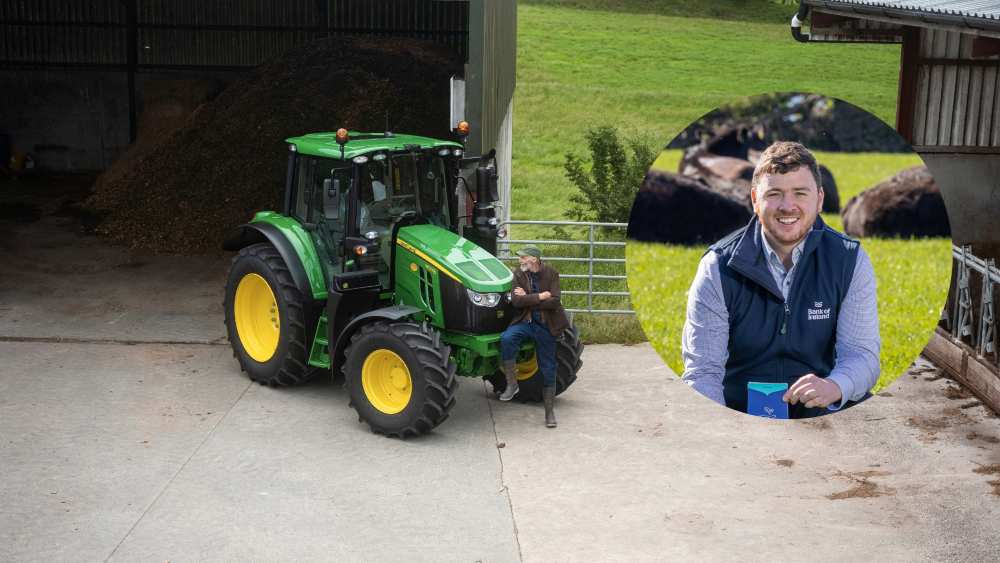
The future of Irish agriculture is facing a significant challenge as the average age of farmers continues to rise. Many family-run farms across the country are struggling to find younger successors to take over the daily operations. This 'generation gap' is becoming a major concern for the stability of the rural economy and the long-term sustainability of food production in Ireland.
Experts suggest that the difficulty in transferring farms is often due to financial and legal complexities. Young farmers frequently face high costs when trying to modernize equipment or expand existing land. Additionally, many older farmers are hesitant to retire because they lack a clear plan for how to pass on their business to the next generation while ensuring their own financial security.
To address this issue, agricultural organizations are calling for better support systems and government incentives. New programs are being discussed to encourage farm partnerships, which allow older and younger generations to work together during a transition period. These partnerships aim to share the workload and provide a smoother path for young people to enter the industry.
Technology is also playing a role in attracting younger people back to the land. Modern farming now involves advanced data, drones, and automated machinery, which appeal to a generation comfortable with digital tools. By combining traditional knowledge with modern technology, the agricultural sector hopes to make farming a more attractive and viable career choice.
As Ireland looks toward the future, the successful transfer of farms will be essential for maintaining the country's reputation for high-quality food exports. Supporting the next generation of farmers is not just about keeping family traditions alive; it is about ensuring that Ireland remains a leader in the global agricultural market for years to come.