Proposed Changes to Irish Citizenship Rules Could Introduce Stricter Requirements
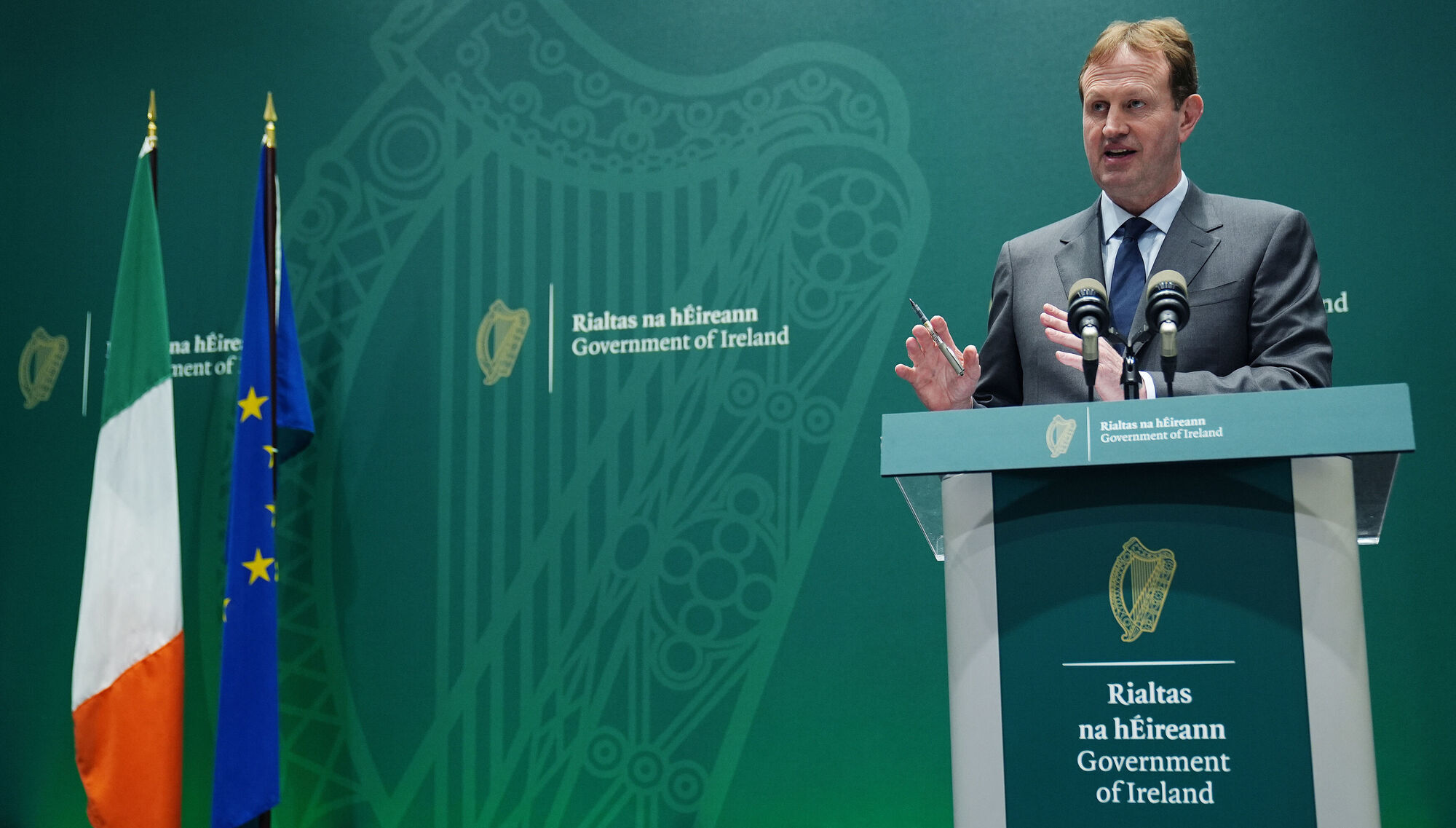
The Irish government is currently considering significant changes to the rules for becoming an Irish citizen. Under the new proposals, the path to naturalization would become more demanding, requiring applicants to meet several new criteria before they can be granted a passport.
One of the most notable changes is the length of time a person must live in Ireland. Currently, applicants generally need five years of residency to qualify. The proposed rules would increase this requirement to eight years, making the process longer for those hoping to settle permanently in the country.
In addition to the extended residency period, the government is planning to introduce mandatory testing. Applicants would be required to pass both a language test to prove their proficiency in English or Irish, and a civics exam to demonstrate their knowledge of Irish society and government. These tests are designed to ensure that new citizens are well-integrated into the community.
Furthermore, the new rules suggest that applicants will face stricter financial and social checks. This includes meeting specific income requirements to show that they can support themselves independently. These measures are intended to ensure that the naturalization process remains robust and reflects the responsibilities of Irish citizenship.
These proposals are part of an ongoing discussion about how Ireland manages its immigration and citizenship policies. While the government aims to modernize the system, the potential changes have sparked debate regarding how these new requirements might affect people currently living and working in Ireland.