Ireland’s National Services: Where the Country Succeeds and Where It Struggles
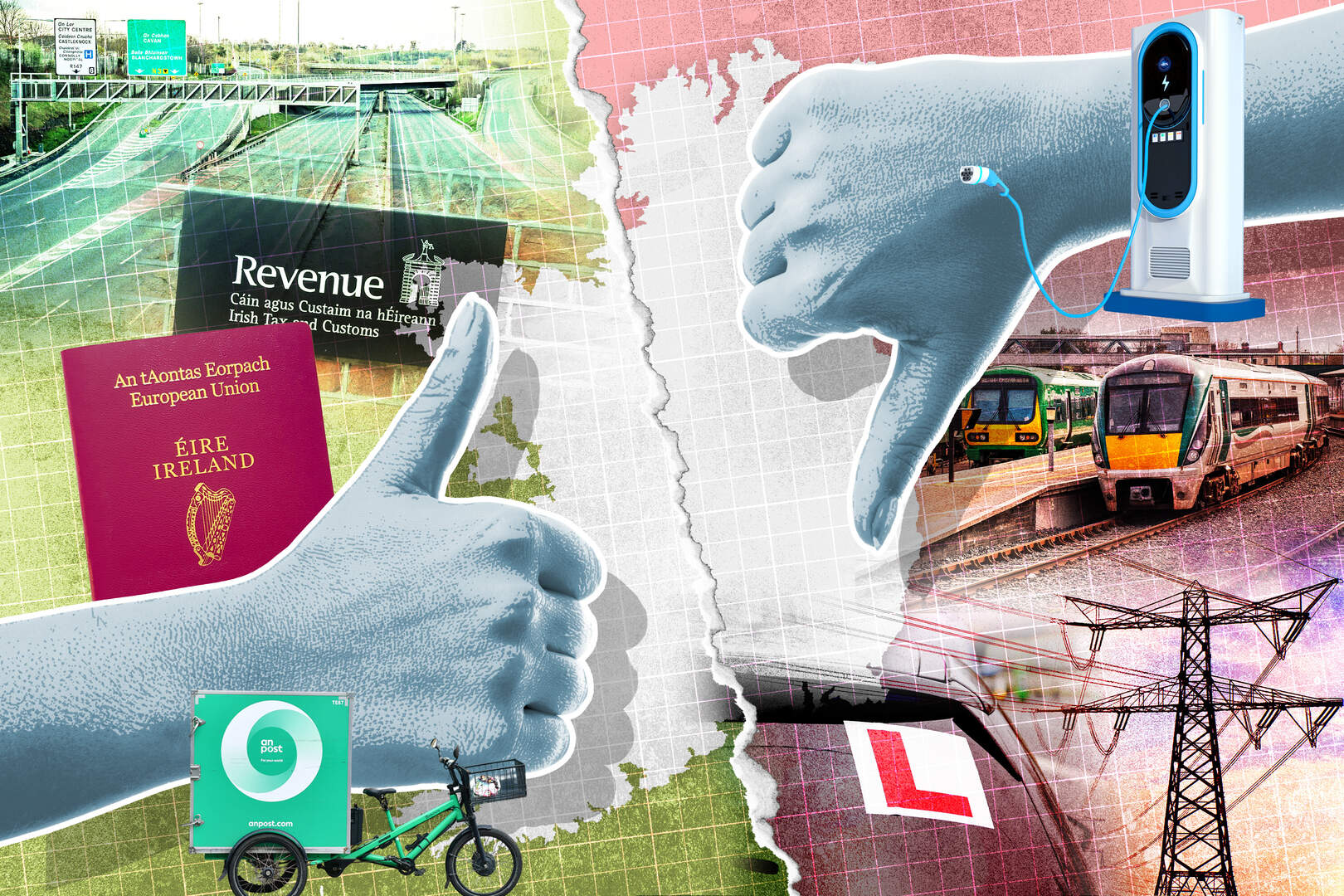
Ireland is often praised for its modern economy, but the daily experience of its citizens can vary greatly. While some government services are considered world-class, other sectors continue to face serious difficulties. Recent discussions have highlighted the areas where Ireland works "like clockwork" and the areas that need urgent attention.
One of the biggest success stories is the Irish Passport Service. It is frequently cited as one of the most efficient systems in the world, thanks to its fast online application process. Similarly, the Revenue Commissioners are known for their high level of digitalization, making it easy for people to manage their taxes online without major delays.
However, the picture is different when looking at the housing market and the healthcare system. These are often described as the country's biggest challenges. A shortage of affordable homes has made it difficult for many people to live near their work, while the Health Service Executive (HSE) continues to struggle with long waiting lists for specialist appointments and emergency care.
Public transport also shows a mix of results across the country. In Dublin, the Luas and bus networks are generally reliable and modern. However, many people living in rural areas still depend heavily on private cars because public options are limited. Major infrastructure projects, such as new rail lines, often face long delays and high costs, leading to frustration for commuters.
Overall, Ireland remains a country of contrasts. The efficiency of its digital services shows that the state is capable of high performance and innovation. The challenge for the future will be applying that same level of organization to the more complex problems of housing and health to ensure a better quality of life for all residents.