Hospital Preparedness: New Emergency Guidelines
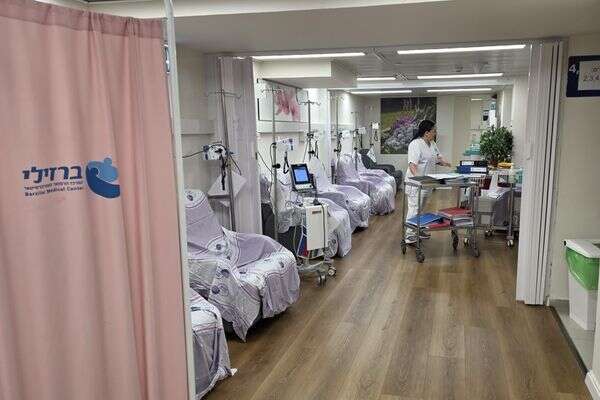
The Ministry of Health issued updated guidelines this week to all hospitals across the country, with the goal of improving preparedness for security-related emergency situations. The new guidelines focus on maintaining continuity of care even under threat, while emphasizing the safety of patients and medical staff.
According to the new procedures, hospitals are required to reduce non-urgent activity in the event of a security escalation. This means postponing elective surgeries and non-urgent examinations in order to free up resources and beds for potential casualties and to reduce the number of people staying in non-protected structures.
A central part of the new plan includes the rapid transfer of entire departments to protected spaces within the hospitals. Medical institutions that lack sufficient protection are required to prepare advance evacuation plans or move patients to safer areas within the building to ensure that medical care continues without interruption.
The Ministry of Health management emphasized that the goal is to ensure that every hospital functions in the best possible way even under heavy pressure. Emergency teams at each hospital will conduct periodic drills to ensure that all employees are familiar with the new procedures and know how to act in real-time.
These guidelines come as part of a broad preparation by the Israeli healthcare system for a complex security reality. The Ministry of Health continues to monitor the security situation and noted that it will update the guidelines as needed, with the aim of providing the best medical response to all citizens of Israel.