Why is Pluto no longer considered a planet? 20 years since the historic decision
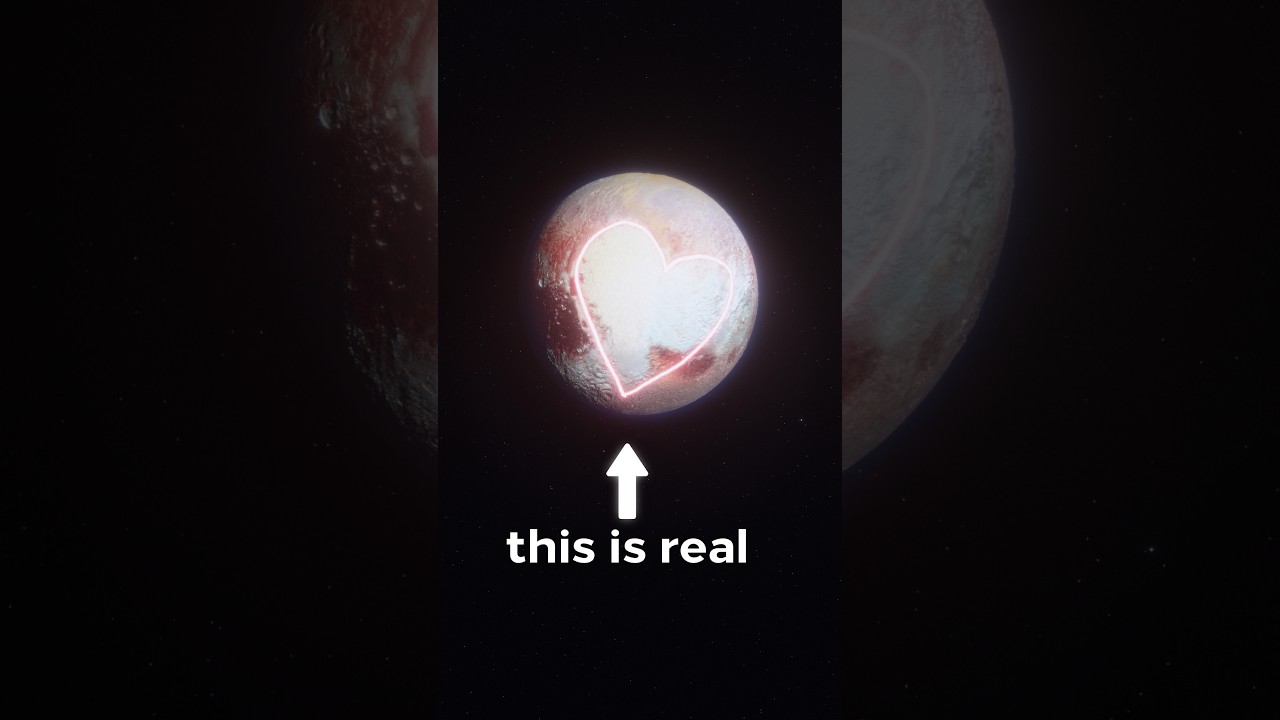
Twenty years ago, in 2006, the International Astronomical Union made a decision that changed school textbooks around the world. The organization determined that Pluto, which had been considered the ninth planet in our solar system for decades, no longer met the official definition of a "planet."
The decision was made following the discovery of new celestial bodies in a distant region of the solar system called the "Kuiper Belt." Scientists realized that Pluto was smaller than previously thought and that there were other bodies similar to it in size and composition. To maintain scientific order, it was necessary to redefine exactly what a planet is.
According to the new definition, for a celestial body to be considered a planet, it must meet three conditions: it must orbit the Sun, have sufficient mass to assume a spherical shape, and most importantly – it must be the dominant body in its orbit and have cleared it of asteroids and other objects.
Pluto failed the third condition because it shares its orbit with many other bodies in the Kuiper Belt. Consequently, it was reclassified as a "dwarf planet." Despite the disappointment of many who grew up with stories of the nine planets, scientists emphasize that this is an important step toward a more accurate understanding of the complex structure of our universe.
Even today, two decades later, the subject still sparks debates among astronomy enthusiasts. Nevertheless, the case of Pluto reminds us that science is a dynamic field that evolves and changes as we gain new knowledge about the space around us.