Very Weak Supernova: Weizmann Institute Researchers Identify White Dwarf Explosion
Published
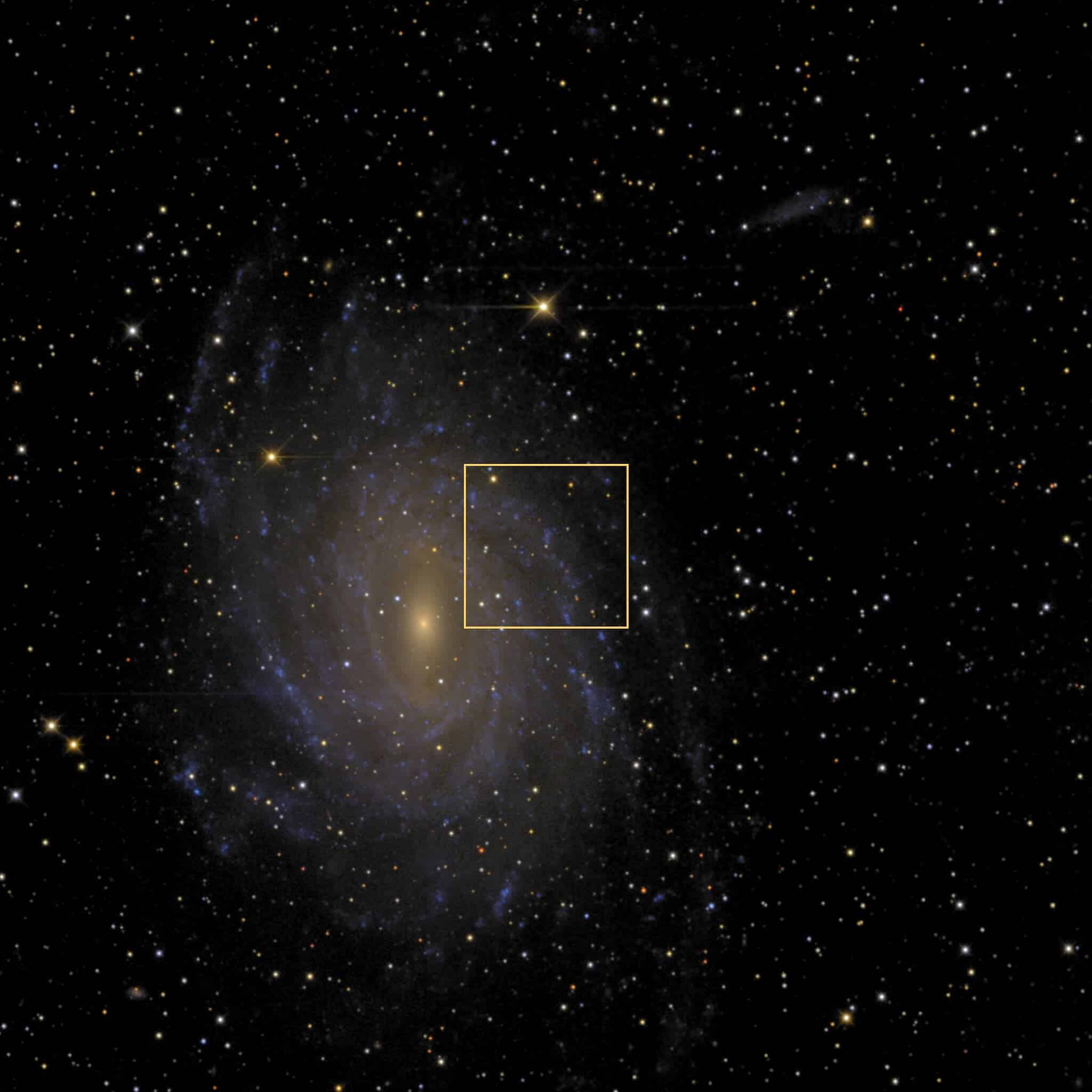
Researchers from the Weizmann Institute of Science, led by an Israeli team, have published a study about a space event that may be the weakest supernova ever observed. A supernova is the explosion of a star at the end of its life, and it can be very bright and can also be seen from Earth. The event that was studied was much weaker than normal explosions.
According to the study, the source of the event was most likely a white dwarf, a small, dense star that remains after the death of a star similar to the Sun. The white dwarf pulled material from a nearby star, and the material built up on its surface until an explosion took place. The researchers analysed the light that came from the event and the changes in its brightness over time. From the data, they concluded that the amount of energy released was very small compared with other supernovae.
The findings are important for astronomers, because they help them better understand the different types of supernovae and the way stars explode. According to the researchers, more studies are needed to confirm all the details. The event shows how varied the phenomena that happen in the universe are, including those that are very difficult to observe.
Sources: Hayadan
More Israel news
- Australian study: type 2 diabetes linked to higher risk of Alzheimer's
- Israeli study: one in five people aged 45 tested has an adenoma in the colon
- Weight-loss pill Wegovy to be sold at half price to Clalit Mushlam members
- Debt Collector Sent Warning About Debt to Man Who Died 15 Months Earlier
- Dani Avdiya and Zeev Nahama together in a new ad for TURBO protein ice cream
- Super-strong ice: Hebrew University researchers develop a material 10 times stronger than regular ice
- Rotating prime minister proposal: what is being reported about the move by Netanyahu and Eisenkot
- Israeli influencer Asher Ben Oz stabbed in luxury tower