Will artificial intelligence replace doctors? A new study presents surprising data
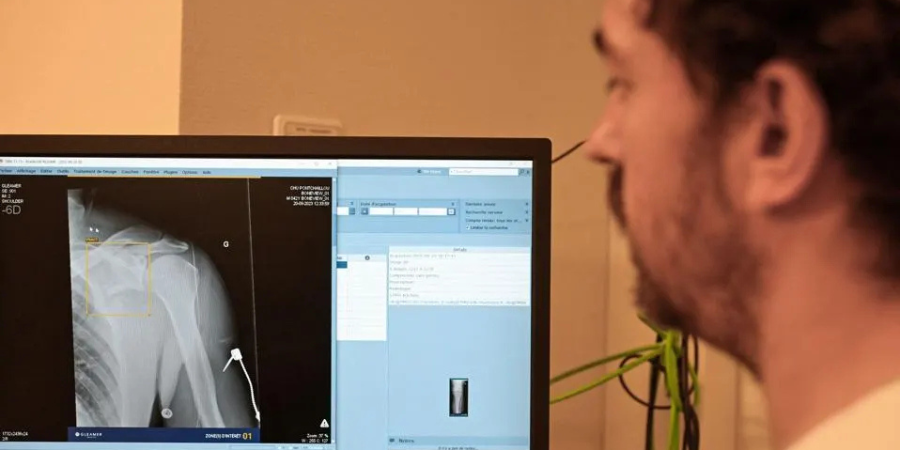
In recent years, technology has been changing very rapidly, and now it seems it is reaching the world of medicine as well. An intriguing new study examines the ability of artificial intelligence (AI) models to diagnose complex medical problems, raising important questions about the future of care in hospitals.
Researchers examined 377 real, complex medical cases to see how ChatGPT's o3 model handles them. The results showed that the model succeeded in identifying the final diagnosis on the very first attempt in about 60% of the cases. This is a very impressive figure, which testifies to the computer's ability to analyze a vast amount of medical information in a short time.
The study is sparking a broad public debate: is it possible that in the future we will be able to receive medical treatment without human involvement? Many experts note that artificial intelligence has a great advantage in data processing, but emphasize that the personal connection and empathy of the doctor are an inseparable part of patient care.
Despite the success of the technology, most doctors agree that artificial intelligence should be used only as an auxiliary tool. It can help doctors make more accurate decisions, but the final responsibility for the patient's health remains in human hands.
In summary, the new technology offers an opportunity to improve the quality of medical diagnosis. Time will tell how the use of artificial intelligence will be integrated into hospitals in Israel and around the world, and whether it will truly be able to replace some of the processes we are familiar with today.