Is human evolution continuing to change?
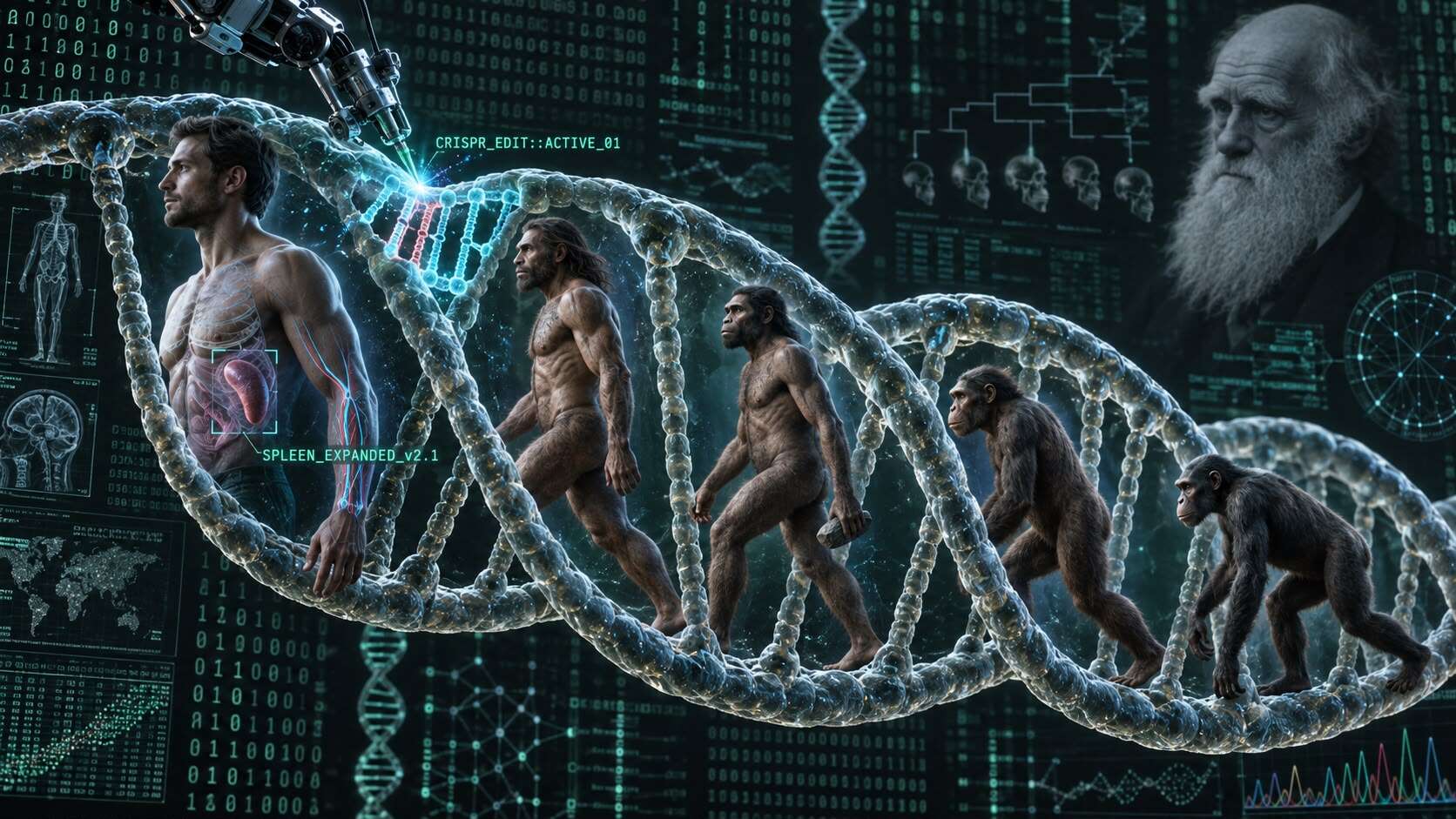
For many years, scientists, biologists, and philosophers viewed "Homo sapiens" – the wise man – as the final and ultimate stage of evolution. According to this view, the human species had reached the peak of its biological development, and no further significant changes to the human body or brain were expected.
However, new studies in the fields of anthropology and biology are raising intriguing questions about the future. Researchers are now examining whether human evolution has not stopped, but has simply moved into a new and unexpected phase. Technology and changes in the environment in which we live may influence how humans will look and function in the distant future.
This scientific debate is sparking great interest among the general public. While in the past evolution occurred at a very slow pace over millions of years, today some argue that external influences, such as genetic engineering or the integration of technology into the human body, may accelerate these processes.
In summary, the question of what will replace Homo sapiens or how we will change remains open. While science does not yet provide definitive answers, it is clear that humanity continues to be part of a dynamic evolutionary tree, and it is possible that the greatest changes are still ahead of us.