Powerful Solar Flare: Should We Be Concerned About the Effects on Earth?
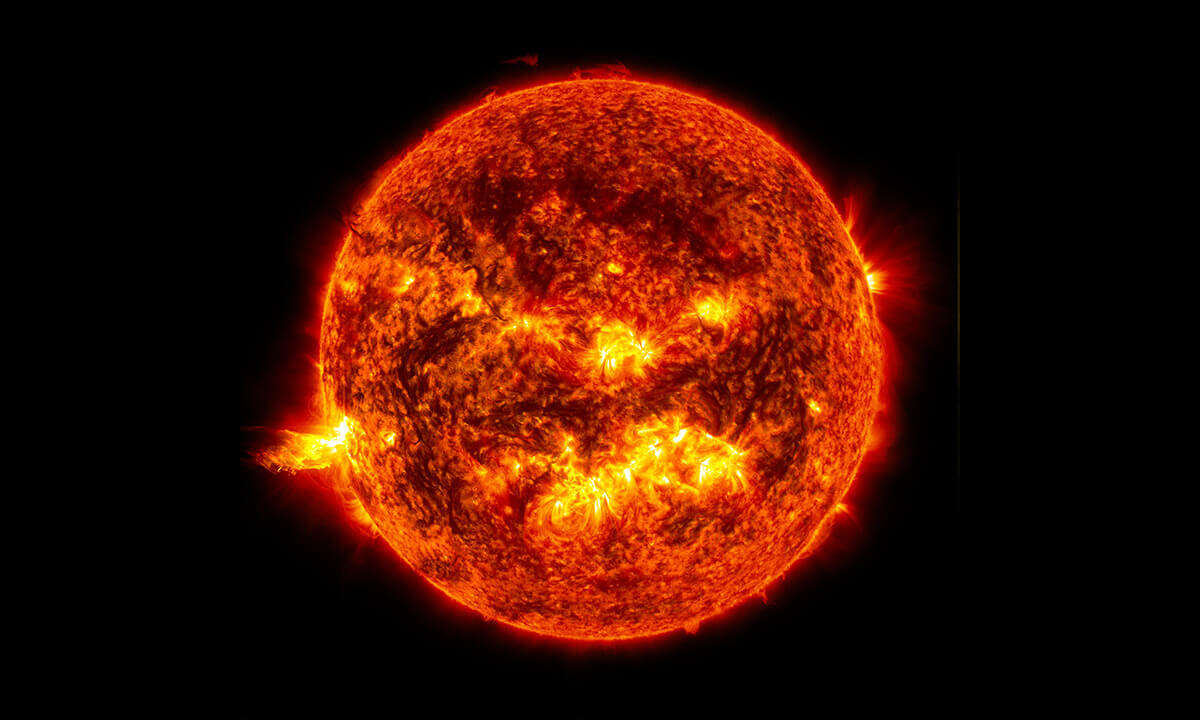
In recent days, scientists have reported a massive eruption that occurred on the surface of the sun. The event, which took place on August 20, involved a rapid ejection of solar material into space at a speed of approximately 1,200 kilometers per second. This is a natural phenomenon that occurs when the sun is in a period of high activity.
Eruptions of this type, known as "coronal mass ejections" (CME), send charged particles toward Earth. When these particles reach Earth's magnetic field, they can create geomagnetic storms. Scientists around the world are closely monitoring the current eruption to understand its intensity and potential impact.
The primary concern regarding such events involves modern technological systems. Strong magnetic storms can affect power grids, satellites in space, and communication and navigation systems like GPS. However, in most cases, the impact is not dangerous to humans on the ground, manifesting primarily as the appearance of the aurora borealis in northern regions.
As of now, research organizations and space agencies continue to monitor the situation. Experts emphasize that although the eruption was powerful, today's technological systems are better prepared than in the past to deal with such phenomena, and the likelihood of significant damage remains low.