Middle East Tensions: The Threat to Shipping Routes and Its Economic Impact
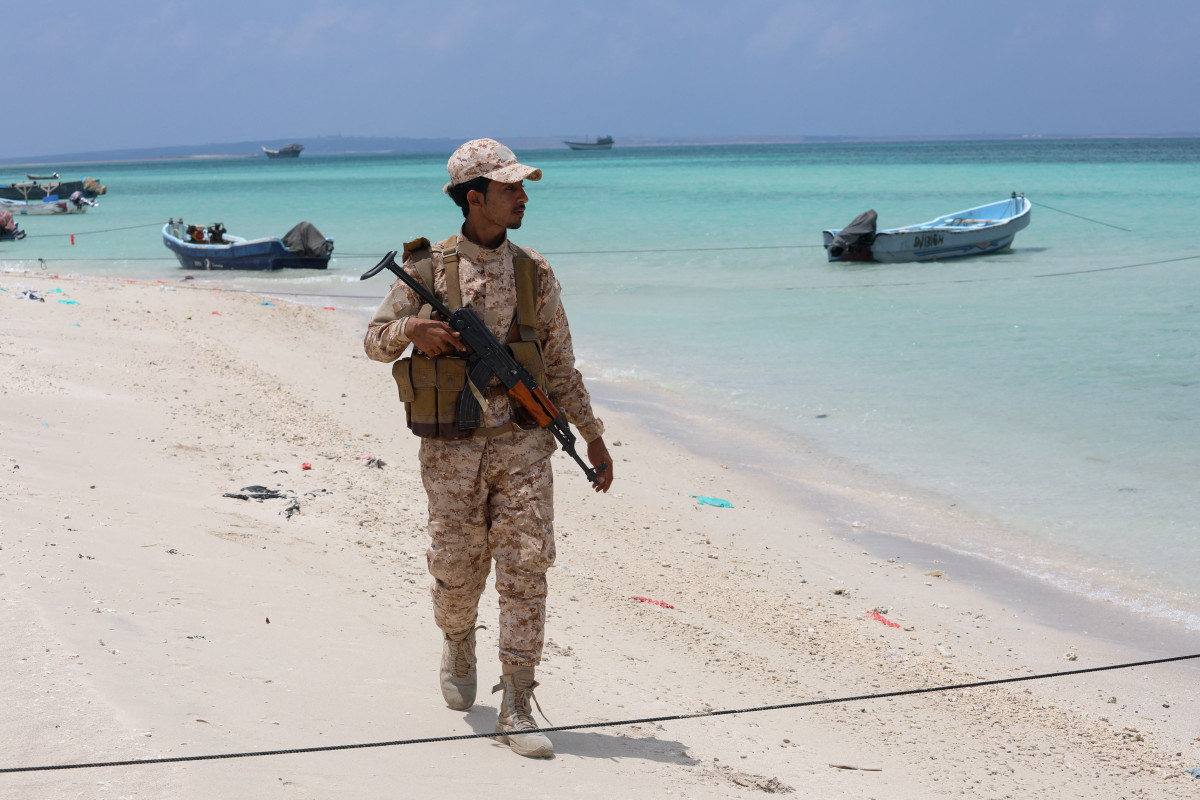
In recent times, there has been growing concern among global economic experts regarding disruptions to major shipping routes in the Middle East. These are strategic areas such as the Strait of Hormuz and the Bab el-Mandeb Strait, which serve as primary transit arteries for transporting goods, oil, and gas to all parts of the world.
The security threats in these regions, stemming from hostile actors, increase the risk of attacks on oil tankers and cargo ships. When these routes are blocked or become dangerous, shipping companies are forced to alter their sailing routes, which leads to significant delays in the supply of products.
These changes cause a sharp rise in maritime transport costs, as ships must travel longer distances. These additional costs are ultimately passed on to the end consumer, which can lead to price increases for basic consumer goods, fuel, and energy in many countries, including Israel.
For the Israeli economy, which relies heavily on maritime imports, this is a significant challenge. Officials in the government and the security establishment are closely monitoring developments in the Red Sea and the Persian Gulf, understanding that the stability of shipping routes is a necessary condition for maintaining the cost of living and the continuity of supply to the economy.
In conclusion, the security situation in the Middle East continues to affect not only personal safety but also global economic stability. Various countries around the world are attempting to find diplomatic and security solutions to ensure freedom of navigation and prevent a large-scale economic crisis.