The Ranucci Case: The debate between politics and freedom of the press
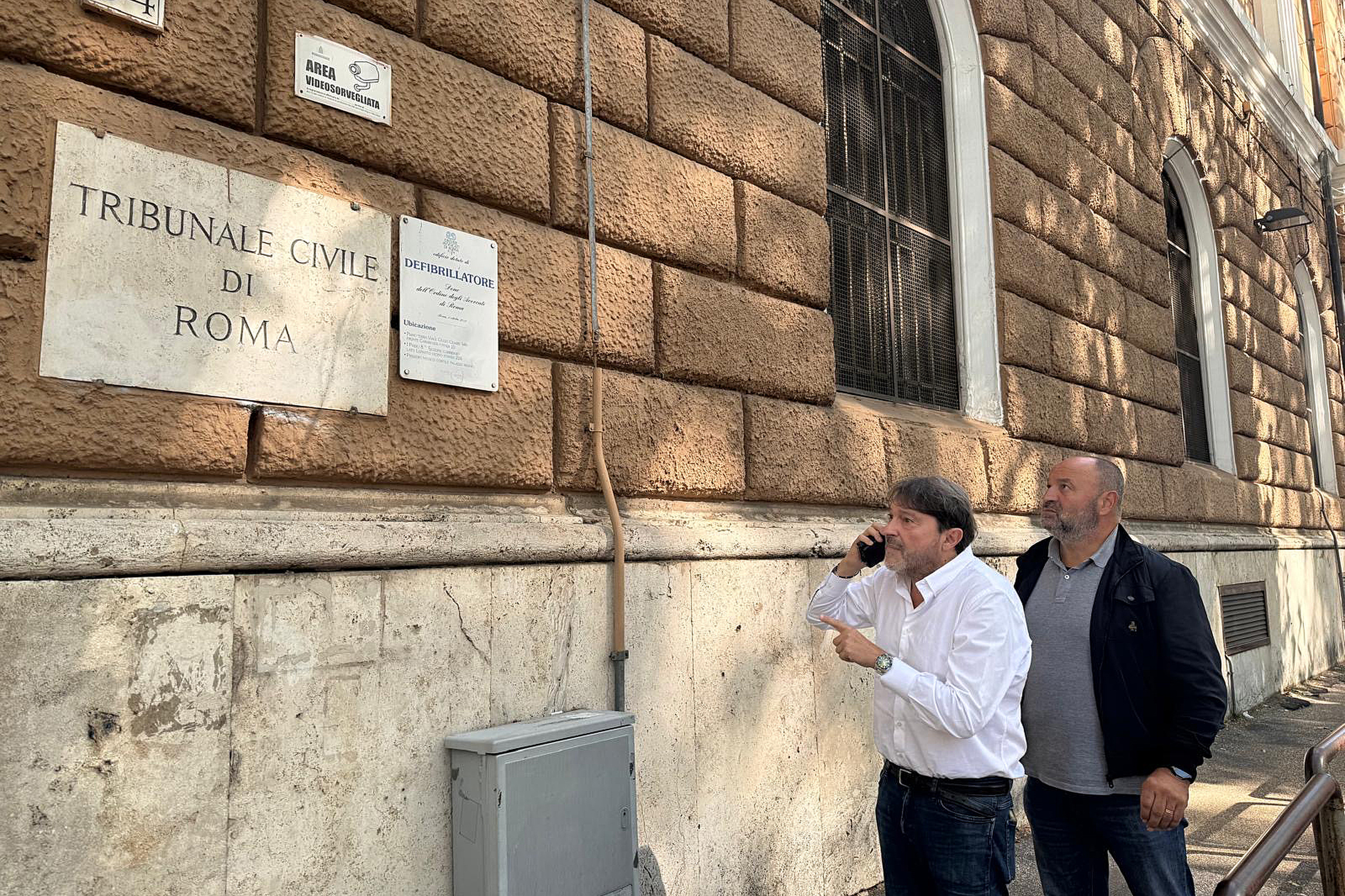
Senator Maurizio Gasparri has officially responded to the recent decision by the Court of Rome regarding the case involving journalist Sigfrido Ranucci. The affair has sparked a heated public debate in Italy, pitting the right of political representatives to criticize against the autonomy of journalistic work.
At the center of the dispute is a series of statements made by Senator Gasparri regarding the investigative television program "Report," hosted by Ranucci. The Court of Rome was called upon to evaluate whether such criticisms could be considered damaging to the journalist's reputation or if they fell within the legitimate exercise of the right to political criticism.
In his reply, Senator Gasparri reiterated that freedom of thought and expression is a fundamental pillar of democracy. According to the parliamentarian, representatives of institutions must have the ability to express reservations and doubts about the content of television programs, especially when these are broadcast by the public broadcasting service.
The issue raises important questions about the boundary between political control over information and freedom of the press. On one hand, supporters of the journalist emphasize the importance of protecting the independence of journalistic investigations from external pressures. On the other, the political world asserts its role in overseeing the work of the media.
The case remains open and continues to be followed with attention by both industry professionals and the general public. The court's decision represents not only a legal point, but a moment of reflection on how political power and the right to report should interact in a democratic context.