European Healthcare: The Union's role after the pandemic
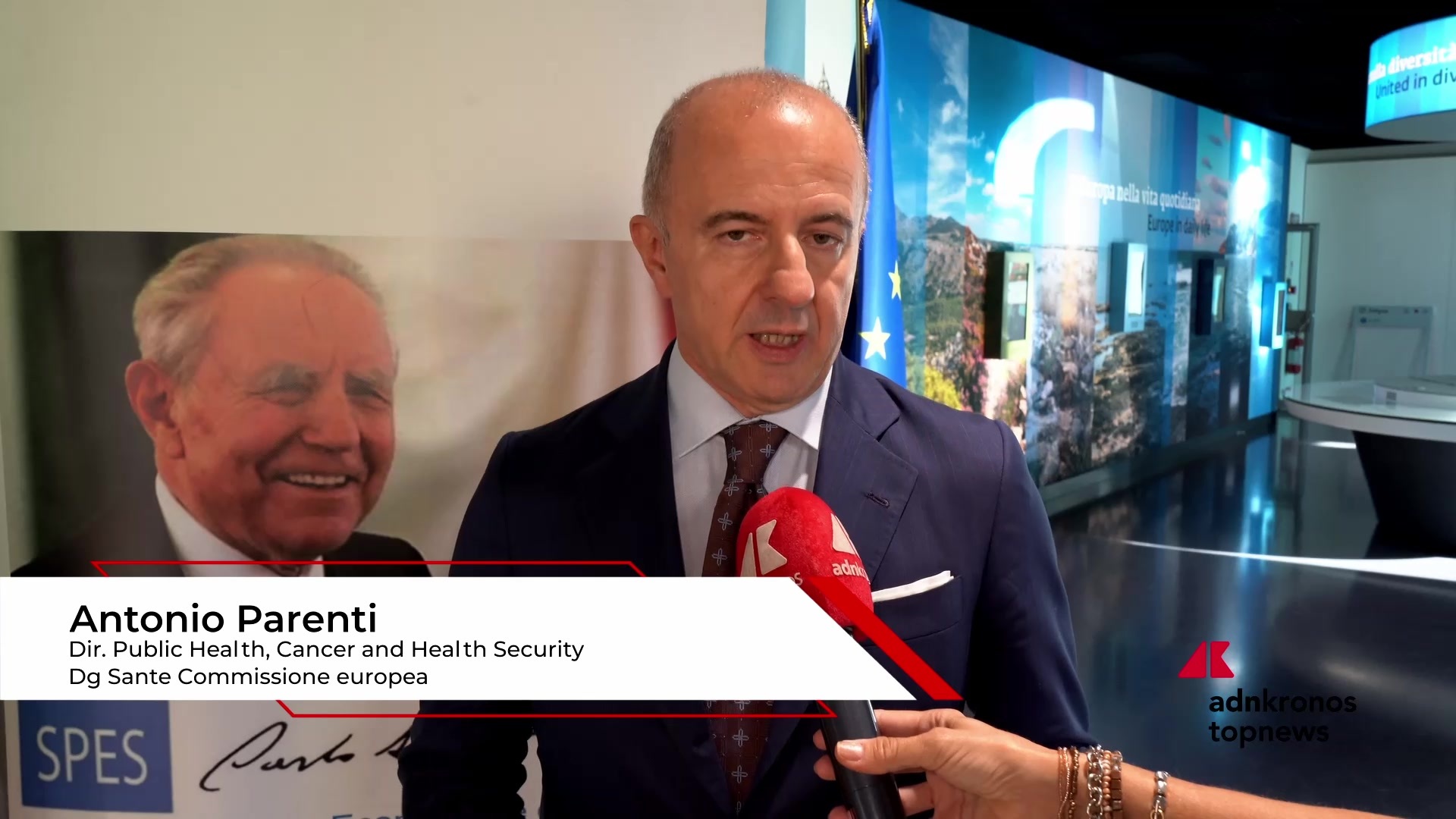
The debate on the future of healthcare in Europe has returned to the center of attention following the difficult years of the global health emergency. Recently, representatives of the European Commission have highlighted how the Union's work in the medical sector has become much broader and more structured than in the past, with the aim of improving cooperation between the various member states.
Despite this increased commitment at the European level, the fundamental rules remain clear: the primary competence in matters of public health remains national in nature. This means that every country, including Italy, maintains direct responsibility for the organization and management of its own health and hospital services for its citizens.
The pandemic, however, has shown that many challenges, such as the distribution of vaccines or the management of drug supplies, cannot be addressed by individual states in total isolation. For this reason, the European Commission is working to create a stronger support network, capable of intervening rapidly in the event of cross-border crises, while still respecting different local traditions and laws.
For Italian citizens, this means that the National Health Service will continue to be the primary point of reference for care and prevention. European collaboration will serve mainly as an additional tool to ensure greater security, shared scientific research, and a more effective response to emergencies that cross national borders.
In conclusion, the balance between the autonomy of individual states and the coordination of the European Union represents the key to the future of health in Europe. The common goal remains to build a more resilient system, capable of protecting the European population without sacrificing the specificity of national healthcare models.