Political tensions in Australia: controversy over ties to the far-right
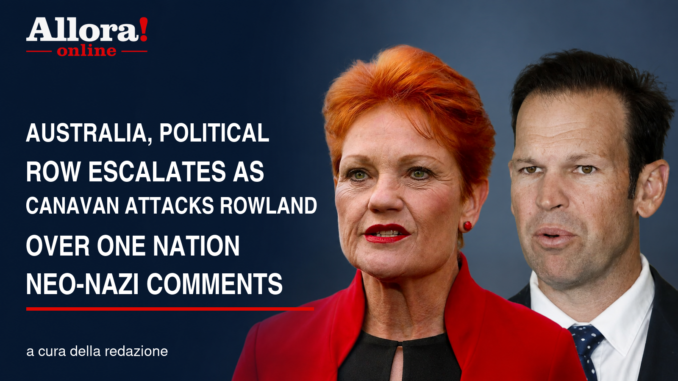
The Australian political landscape is experiencing days of high tension due to a heated verbal clash between Senator Matt Canavan and the Minister for Communications, Michelle Rowland. At the center of the dispute are statements made by Rowland, who publicly associated the One Nation party with extremist circles and figures linked to neo-Nazism.
The Minister's words sparked a harsh reaction from Canavan, a prominent member of the opposition. The senator firmly rejected the accusations, describing them as instrumental and baseless. According to Canavan, linking a legally registered political party to extremist ideologies represents a dangerous attack on the country's democratic debate.
The issue has quickly occupied the front pages of Australian media, raising a broad debate about the quality of political discourse. Many observers fear that the use of such strong terms could further polarize public opinion, making it difficult to find common ground on the most urgent national issues.
Despite requests for clarification, the situation remains deadlocked. While the government maintains the need to isolate radical currents, the opposition continues to demand a formal apology for what it considers defamatory accusations. The affair highlights the growing difficulty, even in consolidated democracies, of managing political dialogue in a climate of intense ideological opposition.