Bolivia: A Country Between Political Changes and Social Challenges
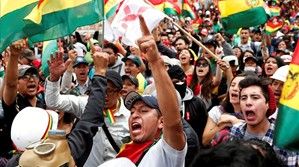
Bolivia is a Latin American country experiencing a period of significant political and social transformation. In recent years, the nation has faced moments of intense tension between different groups in society. This article explores the current complex situation and the roots of the conflicts affecting the country, seeking to understand what is truly happening.
Starting from the year 2000, Bolivia saw the birth of important popular movements. These groups called for social and economic reforms to protect the country's natural resources, such as water and gas. These changes led to a genuine political transformation, radically changing how the government manages the economy and the rights of indigenous populations.
However, this path has not been without obstacles. The country has also experienced moments of strong opposition, characterized by street protests and sudden changes of government. The divisions between those who support social reforms and those who prefer a more traditional economic model remain very deep. This instability has created a climate of uncertainty among Bolivian citizens and international observers.
Today, the main challenge for Bolivia is to find a lasting balance between different political visions. Beneath the surface of the conflicts, there are important issues related to national identity and the distribution of wealth. Many analysts wonder if the country is entering a new phase of stability or if there will be further tensions in the near future.
In conclusion, Bolivia remains a significant example of the challenges many Latin American countries face in the twenty-first century. The struggle between the desire for change and the resistance of old structures continues to define the nation's future. It remains to be seen how these dynamics will influence not only Bolivia but the stability of the entire region in the coming years.